
Start with the water type
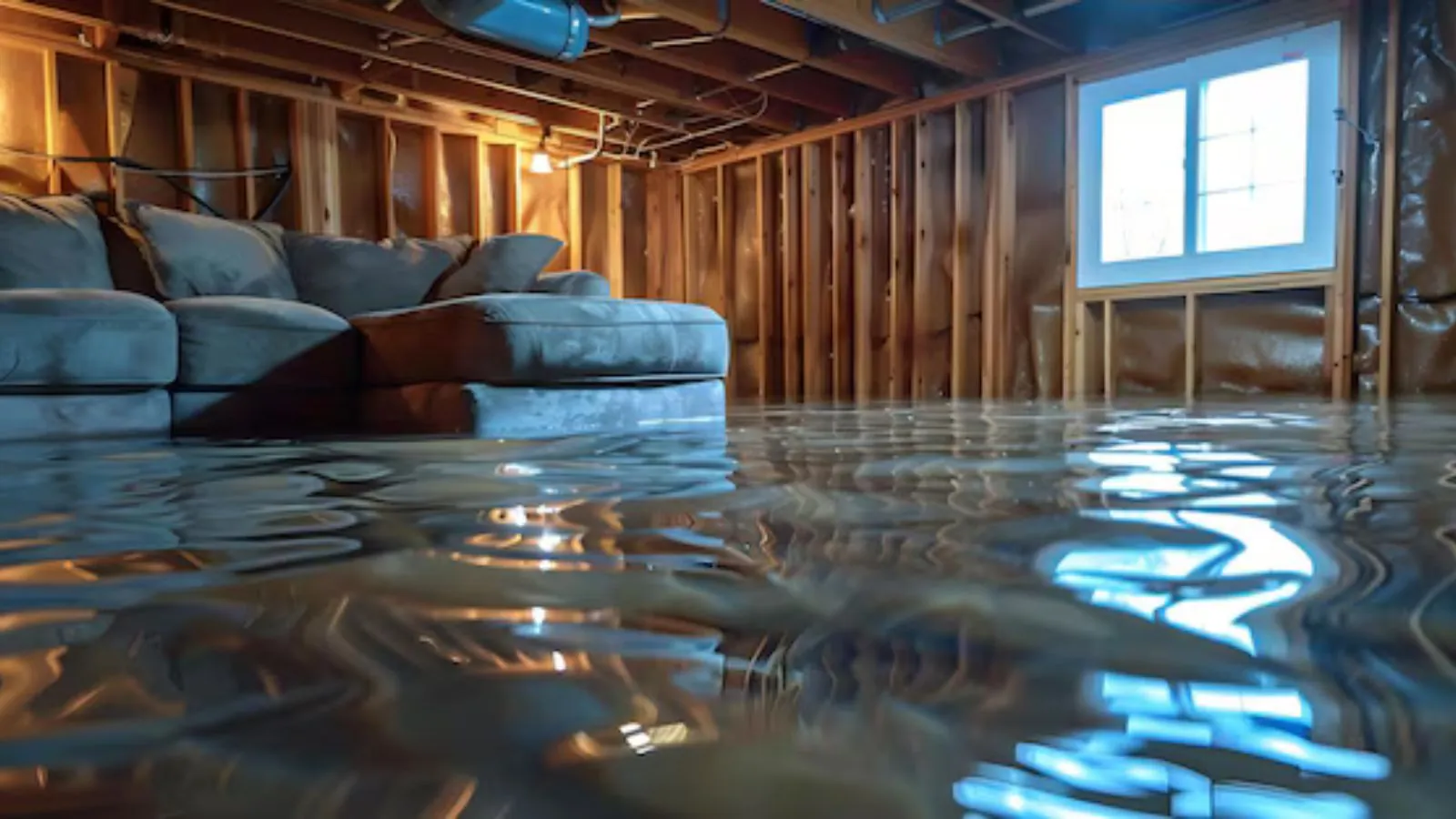
The first question is where the water came from. Clean water from a supply line or a fresh roof leak is Category 1. Water from a washing machine, dishwasher or aquarium is Category 2. Sewage, floodwater and water from outdoors are Category 3. The ANSI/IICRC S500 standard recommends discarding porous items, such as mattresses and upholstered furniture, that were soaked by Category 3 water.
For clean water caught quickly, some items can be saved. For sewage or flood water, do not try to keep a mattress or sofa.
Save or discard
| Item | Clean water, caught within a day | Contaminated water or several days wet |
|---|---|---|
| Mattress | Sometimes dried and aired | Discard |
| Foam or memory foam topper | Often discarded, holds water | Discard |
| Upholstered sofa or chair | Sometimes dried, check the frame and cushions | Discard |
| Solid wood furniture | Often dried and cleaned | Case by case |
| Pillows and bedding | Wash on hot if the water was clean | Discard |
| Rugs | Often cleaned and dried | Case by case |
If you are trying to save something
- Get it off the wet floorMove it to a dry area. Wet padding and flooring wick water upward.
- Extract waterPress with towels or use a wet vacuum on upholstery. Do not stand on a wet mattress.
- Dry with airflowUse fans and a dehumidifier. Standing items on edge lets air reach all sides.
- Check for smellA musty smell after a day or two means mold is starting.
- DecideIf it still smells or feels damp after drying, replace it.
Why mattresses are difficult
A mattress is thick, dense and full of padding. Water that reaches the middle is very hard to dry, and mold can start within one to two days, according to the EPA. Surface wiping does not reach it. A mattress that was soaked for hours is often discarded, even if the water was clean.
Cheap protectors and encasements prevent a lot of damage from small spills, though they do not help in a flood.
Photograph before you discard
If you plan an insurance claim, take photos of the item, the label and the damage before it goes out. Write down brand, age and approximate cost. Contents claims are easier with an inventory. See carpet and padding for what happens to the floor under the furniture, since the pad and the furniture are usually wet together.
Drying a mattress that can be saved
If the water was clean and the spill was small, act quickly. Strip the bedding, stand the mattress on its edge in a room with good airflow and use a fan and a dehumidifier. Blot with towels, pressing rather than rubbing, and sprinkle baking soda on the surface to absorb odor, then vacuum it up when dry. Turn the mattress every few hours so each side gets air.
Do not use a hair dryer on a hot setting, and do not put a damp mattress back on its frame until it is fully dry. Check the center with a moisture meter if you have one, or by feel after a full day. If it smells musty after drying, replace it.
- Strip and wash bedding on a hot cycle
- Blot and press out water, do not rub
- Stand the mattress on edge with a fan
- Dry for at least a day and check the middle
- Replace it if odor returns
Upholstery and cushions
A sofa has a frame, foam cushions and fabric. Foam holds water for a long time and can grow mold inside, where cleaning cannot reach. Remove cushions and covers, press out water and dry them in moving air. If the frame is solid wood and the water was clean, it can often be dried and kept. If the frame is particleboard, it may swell and lose strength, and replacement is likely.
Leather and microfiber react differently, and some covers shrink when dried hot. Check the care label, and when in doubt, ask an upholstery cleaner before deciding. Items that were in contact with sewage should not be cleaned at home.
Norristown: disposal and local notes
Large items such as mattresses and sofas are usually handled under the borough's trash and bulk-item rules, and the municipal website or public works office tells you how to schedule it. Rules and schedules change, so check with the borough rather than relying on a general statement. If the item was contaminated by sewage, bag it if possible and tell the hauler.
Norristown is on the Norristown Municipal Waste Authority sewer system, so a sewage backup may be public or private. See sewage backup cleanup for the safety steps.
When to call for help
If a whole room is wet, the furniture is a small part of the problem. The carpet, padding, walls and subfloor also hold water. A crew can extract water and set up drying so the room dries evenly. The Bridgeport and Conshohocken pages describe coverage there.
Safety steps while you wait
- Stay out of rooms where water is near outlets, the panel or appliances
- Call the utility or 911 for any electrical or gas hazard
- Keep children and pets away from standing water
- Do not use household vacuums or fans on contaminated water
- Photograph the damage only if it is safe to do so
Frequently asked questions
Can a soaked mattress be saved?
Sometimes if the water was clean and it dries within a day. Most are replaced.
How long before mold grows on a wet sofa?
The EPA says mold can start within 24 to 48 hours.
Is sewage-soaked furniture ever kept?
Generally no. Porous items are discarded.
Do I need photos for insurance?
Yes, it helps. Photograph and list items before discarding.
How do I dispose of a large item in Norristown?
Check the borough's trash and bulk-item rules on the municipal website or with public works.