
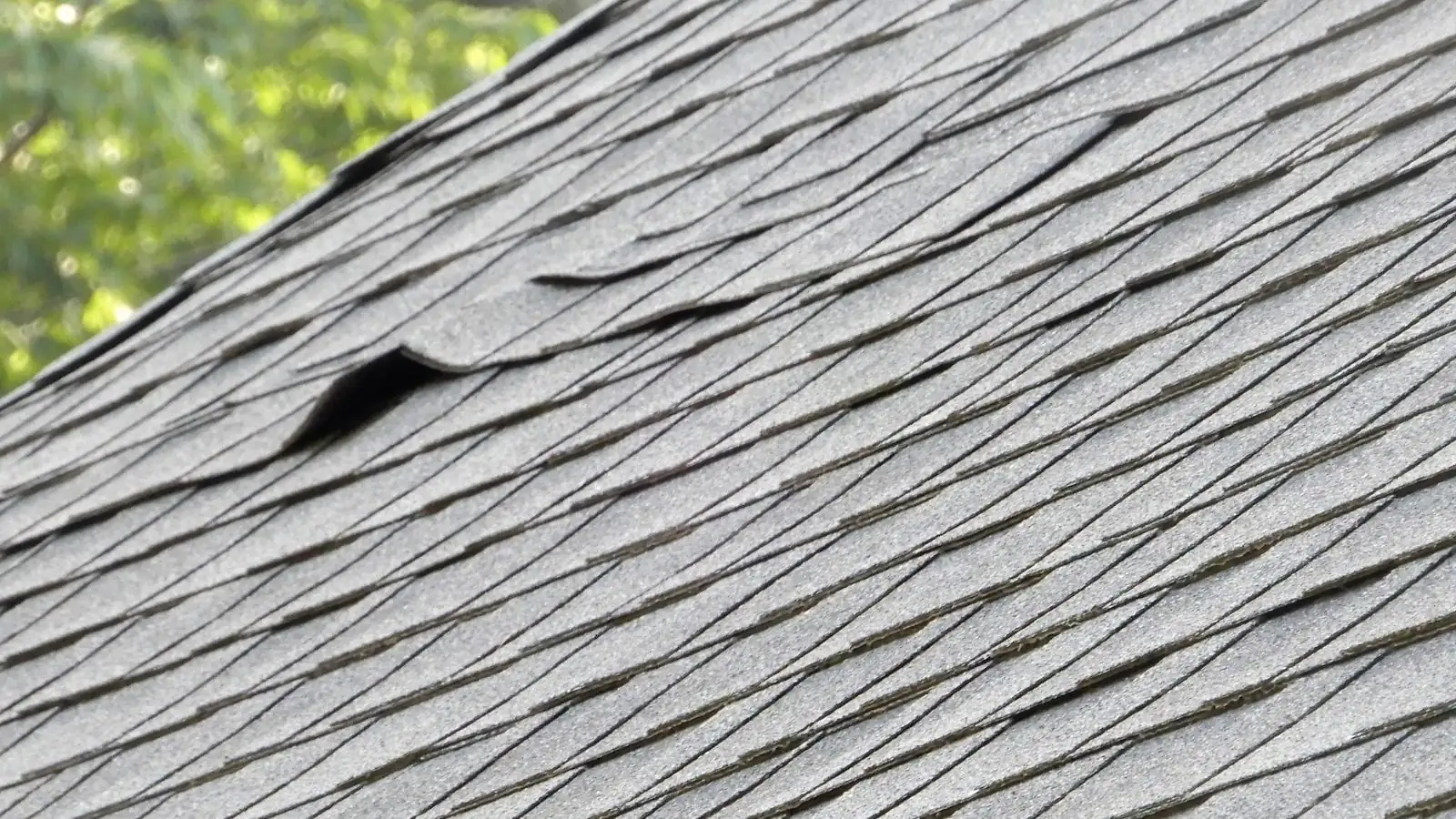
Emergency storm water damage cleanup in Norristown, PA deals with rain that entered through the roof, windows, walls or a storm drain. The phone line answers 24/7, including during and after storms, though crews may be delayed when many calls arrive at once.
Move belongings away from the wet area, place buckets under drips and keep people away from sagging ceilings. If trees or power lines are down, call the utility or 911. Do not go onto a damaged roof.
When storm water is an emergency
Storm losses are emergencies because rain keeps coming and wet materials start to deteriorate quickly. A roof breach during a long rain can drop gallons into an attic and onto ceilings below.
Crews extract water, dry insulation and drywall, and document damage. Temporary protection such as tarping is handled by roofers or board-up services. See ceiling water damage repair for the typical result.
How storms affect Norristown
Stony Creek and Saw Mill Run run through the municipality to the Schuylkill River, and a 2021 municipal presentation counted roughly 32 miles of storm pipe and 1,350 inlets, with runoff from paved surfaces named as the main concern. That makes drain overflow a real source of storm water in some neighborhoods.
We do not state which streets flood. Check the FEMA flood map for your address and ask the municipality about drainage in your area. When floodwater rises from outside, see flood damage restoration.
Storm water compared with flood water
| Feature | Storm water damage | Flood damage |
|---|---|---|
| Path | Through roof, windows, walls | Rising from ground or drains |
| Water category | Often Category 1 or 2 at first | Category 3 |
| Usual materials | Ceilings, insulation, walls | Floors, lower walls, contents |
| Typical response | Dry in place | Remove porous materials |
Signs of storm water intrusion
- Drips or stains on the ceiling after rain
- Wet insulation or damp drywall near windows or a chimney
- Peeling paint near roof lines
- Water in the attic after a storm
- A musty smell that follows wet weather
What the cleanup involves
- Protect the structureTarping, board-up or temporary repairs are done by qualified trades.
- Extract waterWater on floors and in carpet is removed.
- Open and dryWet insulation and drywall are removed as needed, and the cavity is dried.
- MonitorMoisture meters track progress until readings are normal.
- RebuildFinishes and any roof repair are scheduled after drying.
Mistakes after a storm leak
After a storm the instinct is to mop and wait. A wet ceiling and wet insulation hold water that is not visible from the room, and the stain often grows for days after the rain stops.
- Climbing onto a wet or damaged roof
- Leaving a bulging ceiling to drain on its own
- Covering wet insulation with new boards
- Waiting for the weather to clear before calling
- Throwing out damaged items before taking photographs
What shapes the cost of this job
Storm losses range from one wet room to a whole upper floor. These factors set the range.
Insurance: wind and rain damage through a storm-created opening is often covered, while gradual leaks are often not. Ask your insurer, and document with dated photos.
Where we work
We handle storm water damage in Norristown, Bridgeport, Plymouth Meeting, Worcester and Conshohocken. The Worcester page covers the township drained by Skippack Creek and Stony Creek.
Standards behind this work
Professional water damage work follows the published ANSI/IICRC S500 standard, which sets how water is classified, what can be dried and what must be removed. That is a statement about the industry standard crews work to. It is not a claim about any individual certificate, and it does not promise a result.
Safety steps while you wait
- Stay out of rooms where water is near outlets, the panel or appliances
- Call the utility or 911 for any electrical or gas hazard
- Keep children and pets away from standing water
- Do not use household vacuums or fans on contaminated water
- Photograph the damage only if it is safe to do so
Frequently asked questions
Do you handle storm emergencies at night or on weekends in Norristown?
Yes. The line is answered 24/7. During widespread storms calls queue, and we cannot promise a specific time.
Do you repair roofs?
No. A roofer repairs or tarps the roof. We dry the water damage.
What if the storm also caused flooding?
Rising water is Category 3 and handled under flood damage restoration.
Can I wait until the weather clears?
Waiting lets water soak into insulation and drywall. If it is safe, start drying quickly.
Will insurance cover it?
Often, when the storm created an opening. Ask your insurer.