
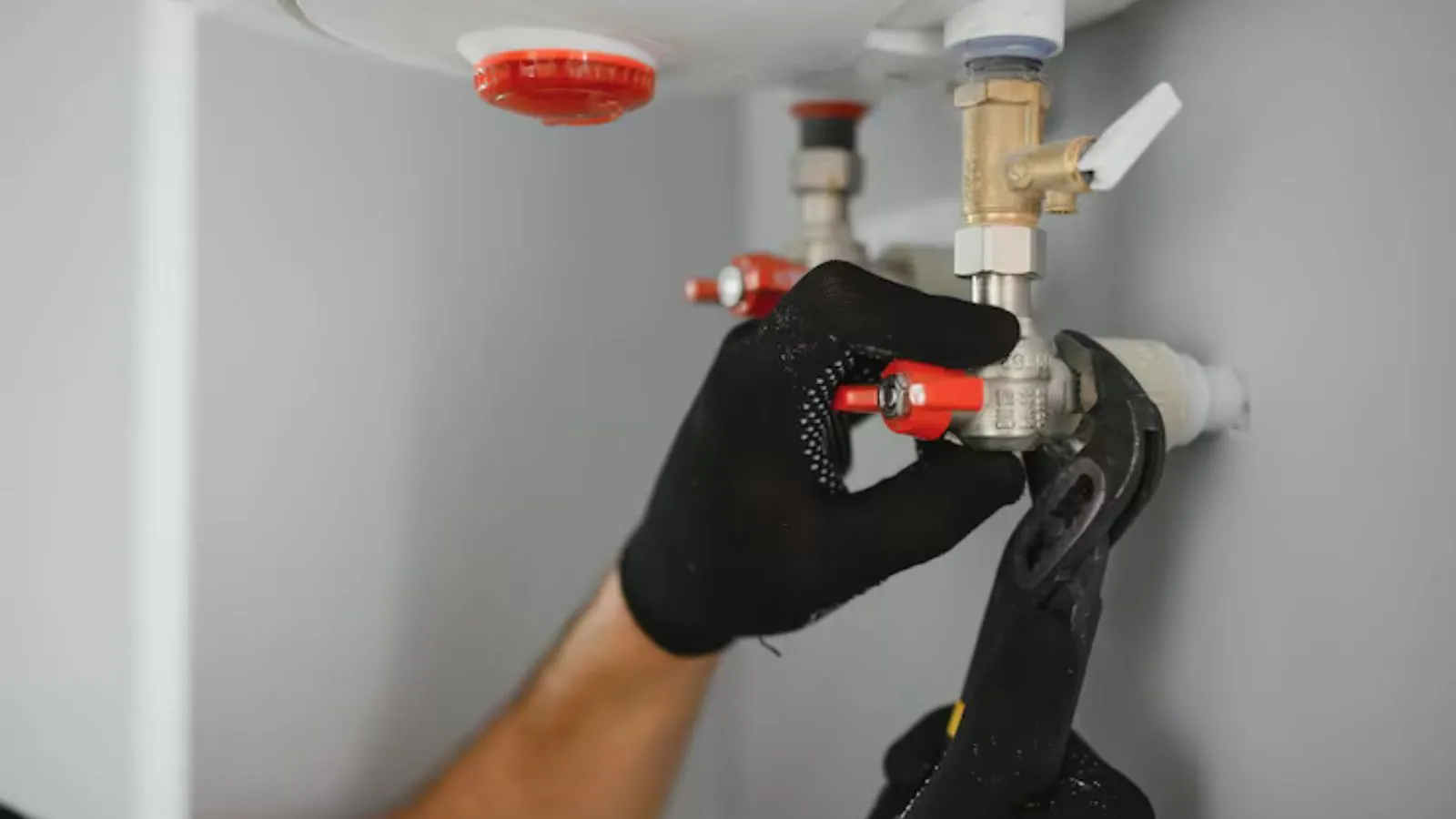
Emergency water heater leak cleanup in Norristown, PA is about removing the water a tank released and drying what it reached. Dispatch answers 24/7, so a heater that lets go on a Sunday night is handled the same way as one that fails on a weekday afternoon.
Turn off the power or gas to the heater only if you can do it from a dry spot. Close the cold water inlet valve on top of the tank. If the water is near an electrical panel, stay out and call the utility or 911. Water from the tank can be hot, so keep clear of the spray.
When a water heater leak is an emergency
A residential tank holds dozens of gallons, and a split seam or a corroded bottom can release most of it in minutes. The water spreads across a basement floor, a utility closet or an attic and reaches whatever sits on or near the floor.
A slow leak at a fitting is different. It drips for days, rusts the base of the tank and soaks the floor underneath. Both situations need extraction and drying, and the second often includes soft subfloor or damp drywall that was already wet before anyone noticed.
What we do and what we do not do
We handle the water damage after a heater failure. Replacing the heater, repairing a gas line or fixing a relief valve is plumbing or HVAC work and should be done by a licensed plumber. Calling the plumber and restoration at the same time saves hours.
Crews extract the water, check the wall base and floor with moisture meters, remove wet baseboards or low drywall if needed and set air movers and dehumidifiers. If the heater sits in a basement, the work overlaps with basement water damage cleanup.
Where water heater leaks cause the most damage
Finished basements
Water spreads under carpet and paneling, and hidden walls hold it.
Utility closets and laundry rooms
Water reaches adjacent walls and flooring through the wall base.
Attic units
Water travels through insulation to the ceiling below. See ceiling water damage repair.
Garages
Concrete floors drain well, but stored boxes and shared walls take the water.
What to do while you wait
- Close the cold inletThe valve on the pipe leading into the tank stops new water from feeding the leak.
- Cut power or gas safelyFor electric heaters, only turn off the breaker if the panel is dry and you are not standing in water. For gas, close the gas valve if you can reach it safely, and call the gas utility if you smell gas.
- Keep clear of hot waterWater that has just left the tank can be hot enough to scald.
- Photograph the areaCapture the heater, the water and any damaged items before cleanup, as the Pennsylvania Insurance Department recommends.
- Call and describe the roomTell us whether the tank is in a basement, closet or attic and how far the water spread.
Signs a heater leak is hiding
- Rust-colored streaks on the base of the tank or the floor under it
- A damp patch or a stain on the wall behind the heater
- Warped baseboards or lifting flooring in the utility area
- A musty smell near the heater room
- The pressure relief pipe dripping steadily
Heater leak or something else?
| What you see | Likely source | Next step |
|---|---|---|
| Pool of water under the tank | Tank leak or fitting | Shut inlet, call for extraction and a plumber |
| Water at the top | Inlet or outlet fittings | Close inlet, dry the area |
| Drip from relief pipe | Pressure or temperature relief | Call a plumber, monitor floor |
| Water far from the heater | Separate supply line | See burst pipe water damage |
What shapes the cost of this job
Water heater cleanups vary by room and by how long the leak ran. These factors set the range.
Insurance: sudden tank failure is often a covered event, but wear and slow leaks are often excluded. Check your policy and keep the failed unit until your adjuster has seen it if you can.
Where we respond
We handle water heater cleanup in Norristown and in Bridgeport, Plymouth Meeting, Worcester and Conshohocken. If your unit sits in a basement near the Schuylkill, flood damage cleanup explains what happens if the water came from outside.
Standards behind this work
Professional water damage work follows the published ANSI/IICRC S500 standard, which sets how water is classified, what can be dried and what must be removed. That is a statement about the industry standard crews work to. It is not a claim about any individual certificate, and it does not promise a result.
Safety steps while you wait
- Stay out of rooms where water is near outlets, the panel or appliances
- Call the utility or 911 for any electrical or gas hazard
- Keep children and pets away from standing water
- Do not use household vacuums or fans on contaminated water
- Photograph the damage only if it is safe to do so
Frequently asked questions
Do you handle water heater leak emergencies at night or on weekends in Norristown?
Yes. The phone line is answered 24/7, and heater failures happen at all hours. Close the cold inlet, stay clear of hot water and call. We give safety steps on the call and do not promise an arrival time.
Do you replace water heaters?
No. We clean up and dry the water damage. A licensed plumber replaces or repairs the heater.
Is the water from a heater tank dangerous?
It can be hot enough to burn. It may also contain sediment and rust. Keep children and pets away from the area.
Can the heater be left running while the area dries?
Not if it is leaking. Turn off the supply and power and have a plumber check it before restoring service.
Will the concrete floor need to be dried too?
Concrete holds moisture, so readings are taken on the slab and wall bases even when the surface looks dry.