
My walls and floors still feel damp. Is that normal?
No. Dampness a day or two after a leak means water is still inside the wall cavity, under flooring or in the subfloor. People describe it as a clammy floor, a musty room, baseboards that will not dry or a damp feel behind furniture. The trade name for the fix is structural drying.
Left alone, damp framing and drywall are where mold starts. Drying is a process of controlled airflow, moisture removal and measurement.
Structural drying and dehumidification in Norristown, PA follows extraction. It is not usually an emergency by itself, but it is time-sensitive, because materials that stay wet start to grow mold in the first 24 to 48 hours according to the EPA. The phone line is open 24/7.
If water is still on the floor, start with water extraction. Drying equipment cannot work until the bulk water is out.
What structural drying includes
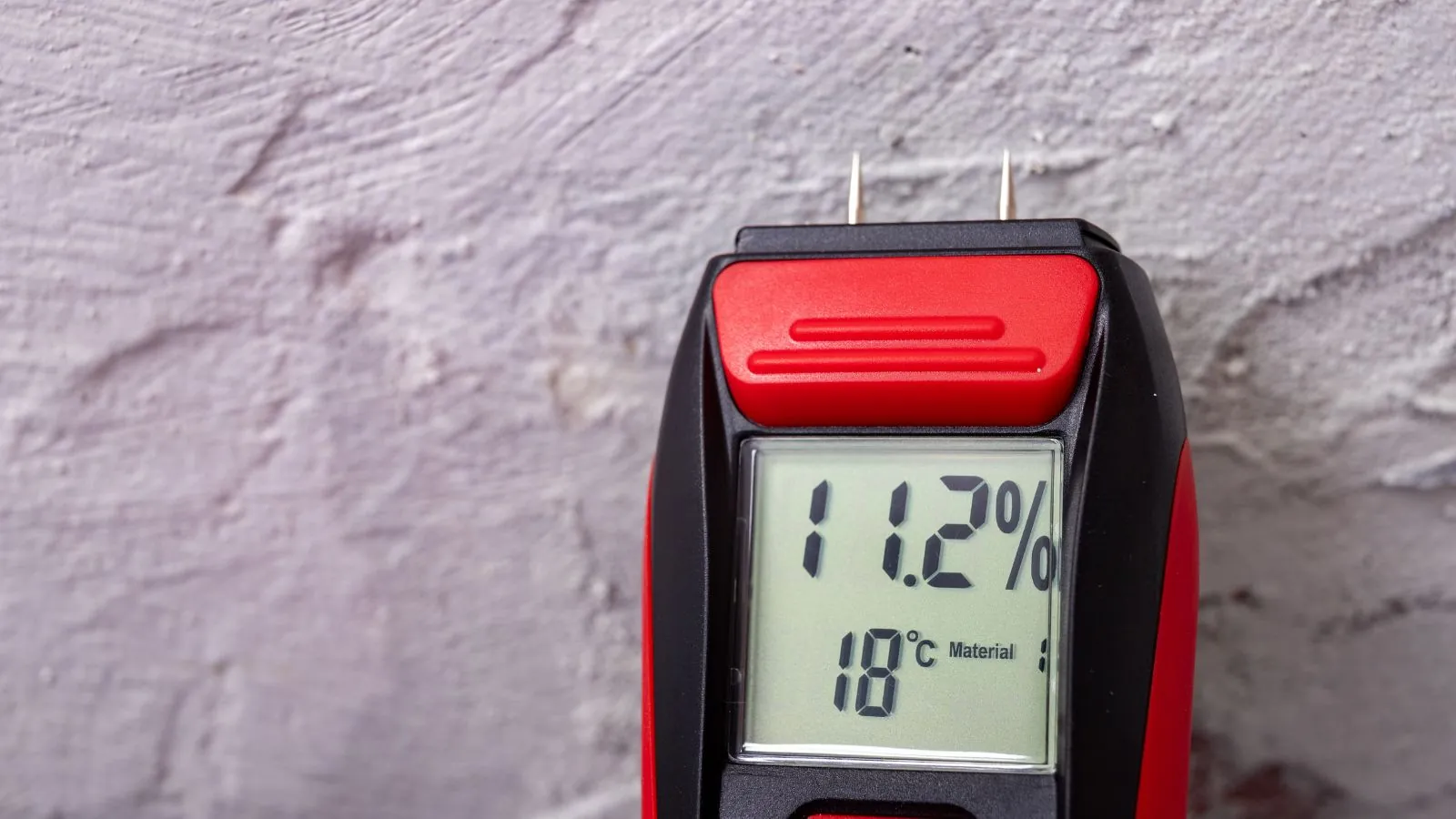
- Moisture mappingMeters and thermal imaging locate water inside walls, floors and ceilings. The map is the plan for where equipment goes.
- Air moversHigh-velocity fans move air across wet surfaces and through cavities, picking up moisture.
- DehumidifiersLGR dehumidifiers pull water out of the air so it does not settle back into materials.
- Controlled conditionsDoors, vents and sometimes containment keep the air handling the wet area.
- Monitoring visitsReadings are taken on later days, and equipment is moved or removed based on them.
What is water mitigation?
Water mitigation means limiting damage after a loss: stopping the source, extracting water, and drying so materials recover. It is part of every water loss. The word is used for the early response, while restoration refers to rebuilding afterwards.
A mitigation plan names the equipment, the number of days and the readings that count as dry. A written scope makes it easier to explain to an insurance adjuster, and the Pennsylvania Insurance Department recommends keeping records of everything you do.
How long does drying take?
Most structures need several days, but there is no fixed number. Dense materials like hardwood, plaster and concrete dry slowly, and cold or humid conditions slow everything. Equipment stays until readings match a dry reference, not until a calendar date.
Material type, how long it stayed wet and humidity in the building all change the timeline, so the crew reports readings on each visit instead of promising a date.
Equipment explained
| Equipment | What it does | Where it goes |
|---|---|---|
| Air mover | Moves air across wet surfaces | Floors, wall bases, cavities |
| LGR dehumidifier | Removes moisture from the air | Central location, doors closed |
| Moisture meter | Reads water content in materials | Every wet surface and wall |
| Thermal camera | Shows temperature differences that mark wet areas | Walls, ceilings and floors |
| Injectidry or panel system | Pushes dry air into wall cavities | Walls with trapped moisture |
Equipment is used on the job, not rented out
Callers sometimes ask about renting air movers and dehumidifiers. We do not rent equipment. We use it on the job, set it up, monitor it and remove it when the building is dry. Poorly placed rental equipment often dries a room unevenly.
What shapes the cost of this job
Drying cost follows equipment days and visits. These factors drive both.
Insurance: drying records, photos and moisture logs help document the loss. Check your policy and ask your insurer what documentation they want.
Where we work
We run drying jobs in Norristown, Conshohocken, Bridgeport, Plymouth Meeting and Worcester. Water from storms is also covered under storm water damage cleanup, and walls are handled on the wall and drywall page.
Standards behind this work
Professional water damage work follows the published ANSI/IICRC S500 standard, which sets how water is classified, what can be dried and what must be removed. That is a statement about the industry standard crews work to. It is not a claim about any individual certificate, and it does not promise a result.
Safety steps while you wait
- Stay out of rooms where water is near outlets, the panel or appliances
- Call the utility or 911 for any electrical or gas hazard
- Keep children and pets away from standing water
- Do not use household vacuums or fans on contaminated water
- Photograph the damage only if it is safe to do so
Frequently asked questions
How do I know the structure is dry?
Moisture readings in drywall, framing and flooring return to the range of an unaffected reference area. Surface feel is not enough.
Can I use my own fans and dehumidifier?
They can help with minor dampness. For a real loss, a single fan rarely reaches wall cavities and subfloor.
Do you rent equipment?
No. Equipment is used on the job and removed when readings are normal.
Will drying stop mold?
It lowers the risk by removing the moisture mold needs. It does not remove mold that is already growing.
What happens if materials will not dry?
Some materials, such as saturated padding or insulation, are removed instead of dried. The scope notes which.