
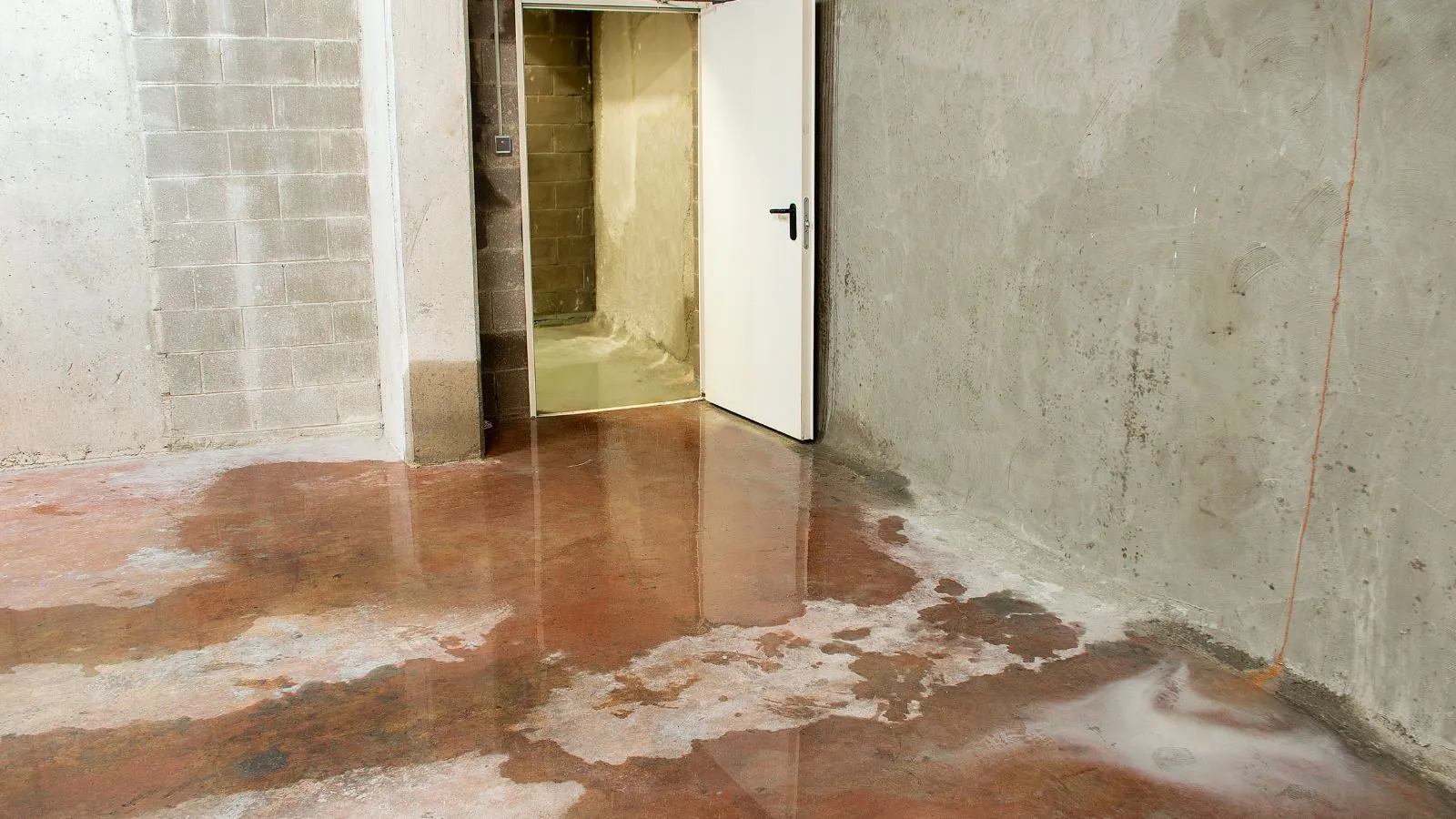
Emergency commercial water damage restoration in Norristown, PA covers shops, offices, restaurants, multi-unit buildings and other commercial space. Our phone line answers 24/7, which matters when a sprinkler line or a roof leak is found after closing time.
Shut off the water if you can, cut power to wet areas only if it is safe and protect inventory and records. Keep customers and staff away from the water and call the utility or 911 for electrical or gas hazards.
When a business loss is an emergency
A commercial loss is an emergency whenever water is spreading, because every hour of closure costs money and wet materials are damaged by the hour. Large floor areas, shared walls and multiple tenants mean that water often crosses boundaries.
Crews extract water, set drying equipment, remove wet materials and document the loss. Larger buildings may need staged work so part of the space can reopen. We do not offer a fixed reopening date, and we explain scope before work.
The kinds of buildings in Norristown
Norristown is the county seat of Montgomery County and has a downtown with office buildings, performing arts venues and mixed-use blocks. One Montgomery Plaza is a 10-story office building from the early 1970s, the Montgomery County Cultural Center sits in the arts district and Studio Centre is a converted former Sears building now used as offices.
Different building types lose water differently. An older multi-story office may have a leak that travels several floors. A retail unit may lose finishes and stock. See ceiling water damage and flood damage cleanup for the related scopes.
What a commercial response includes
- Assessment and safetyCrews check for electrical hazards, structural concerns and the water category.
- ExtractionTruck-mounted and portable extraction units remove water from large floor areas.
- ProtectionInventory, equipment, records and furniture are moved or covered when possible.
- Structural dryingMoisture mapping and drying equipment are set for the building type.
- DocumentationPhotos, moisture logs and a scope are prepared for the owner, tenants and insurers.
Property owners, tenants and managers
A commercial loss often involves several parties. The owner is responsible for the building, tenants for their contents and each may have separate insurers. Notify your property manager quickly. Crews can document the loss in a way that separates building damage from tenant contents.
Vacant buildings and unusual losses
Some of the largest commercial losses happen in vacant or lightly used buildings, where a leak runs unnoticed. These need careful documentation, since the loss may be old by the time it is found.
Water from storm events is covered under storm water damage cleanup. Mold found later is handled under mold remediation.
What shapes the cost of this job
Commercial costs depend on size and on the amount of the building that must stay open.
Insurance: commercial policies vary, and business interruption coverage is a separate matter. Ask your insurer and your broker what applies, and keep a record of everything.
Where we serve
We handle commercial losses in Norristown and in Conshohocken, Bridgeport, Plymouth Meeting and Worcester. The Conshohocken page covers the borough's former mill and industrial streets.
Standards behind this work
Professional water damage work follows the published ANSI/IICRC S500 standard, which sets how water is classified, what can be dried and what must be removed. That is a statement about the industry standard crews work to. It is not a claim about any individual certificate, and it does not promise a result.
Safety steps while you wait
- Stay out of rooms where water is near outlets, the panel or appliances
- Call the utility or 911 for any electrical or gas hazard
- Keep children and pets away from standing water
- Do not use household vacuums or fans on contaminated water
- Photograph the damage only if it is safe to do so
Frequently asked questions
Do you handle commercial water emergencies at night or on weekends in Norristown?
Yes. The line is answered 24/7. Shut off the water if possible and call. We do not promise a specific arrival time, but we give safety steps on the phone.
Can you work around business hours?
Often. Scope and phasing are planned so part of the space can be used while other areas dry.
Do you document for insurers?
Yes. Photos, moisture readings and an itemized scope are prepared for your adjuster.
What about tenants and shared walls?
Water often crosses unit boundaries. Notify the property manager and the neighbors right away.
Do you handle sewage or flood losses in commercial space?
Yes. These are Category 3 and follow the same protocols as in homes.