
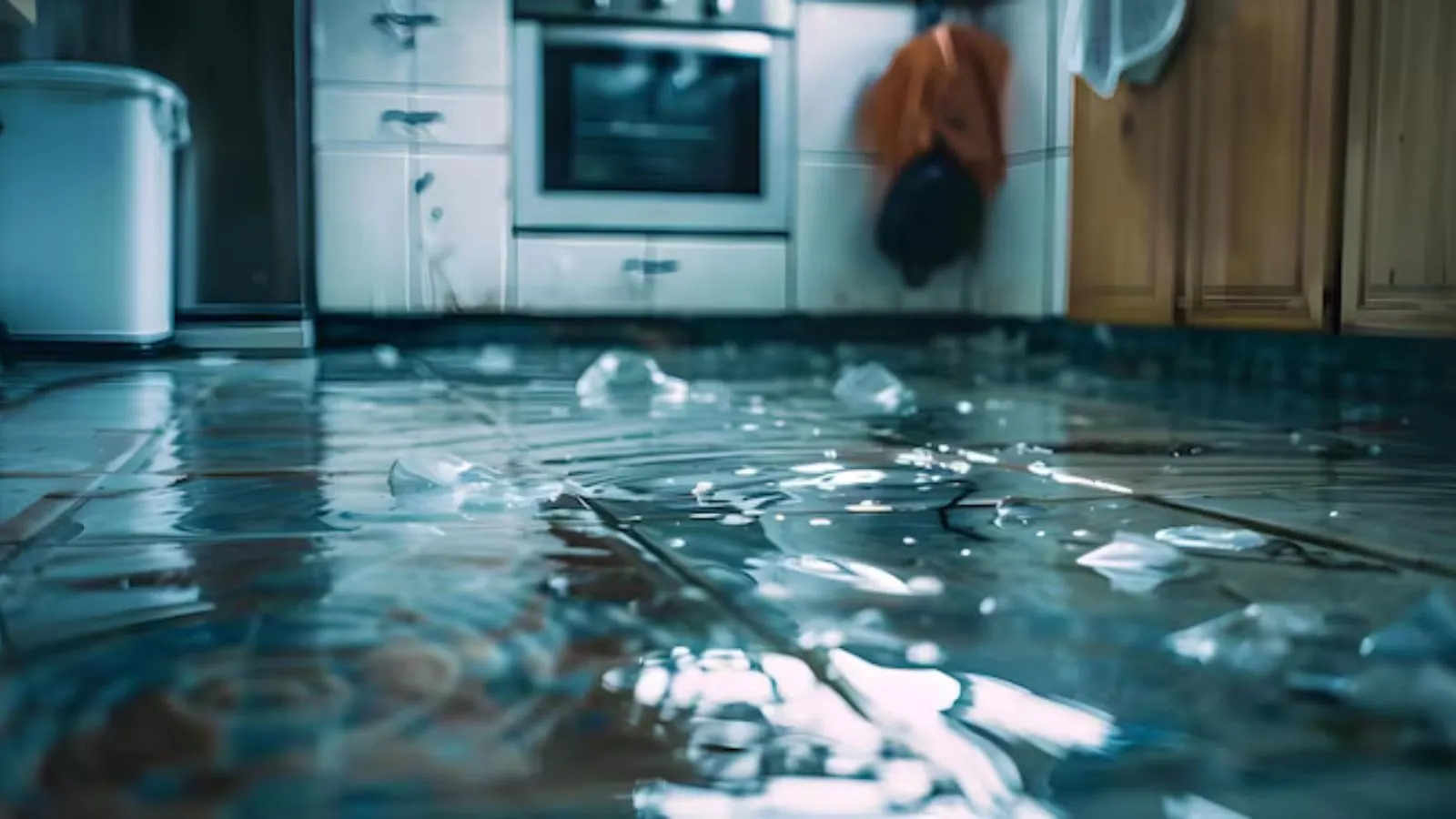
Emergency flood damage cleanup in Norristown, PA starts with safety, because floodwater is contaminated and may be electrically live. Our phone line answers 24/7, including during storms when roads are slow, and we will ask what the water touched before we talk about equipment.
Do not walk through floodwater to reach a panel, and never touch electrical equipment while wet. Call the utility or 911 for any electrical or gas concern. Take photos from a dry spot, move people and pets out and wait for a damage assessment before you start tearing anything out.
When flooding is an emergency
Floodwater from a river, creek or storm drain is classed as Category 3 under the ANSI/IICRC S500 water damage standard, meaning it may carry harmful microorganisms. Porous materials that it soaked, such as carpet, padding and insulation, are usually removed instead of dried.
Hard surfaces and framing can often be cleaned, sanitized and dried. Crews start with extraction using the same pumps described on the water extraction page, then move into removal, cleaning and structural drying.
What flooding has looked like around Norristown
The National Weather Service tracks the Schuylkill River at the Norristown gage, where flood stage is 13 feet. The gage record lists a high of 25.1 feet on June 23, 1972, and 20.81 feet on May 1, 2014, and the list of crests above flood stage runs to 26 events between 1933 and 2019.
In September 2021, flooding from Hurricane Ida put water over an island in the river, two bridges and much of the lower part of the city, according to the USGS. The municipality then waived permit fees for storm repairs, though not the permit requirements themselves, so check with the Norristown Buildings Department before rebuilding.
How to find out whether your address is in a flood area
Neighborhood generalizations are not reliable. Streams that run through town, such as Stony Creek and Saw Mill Run, can affect some blocks and leave others untouched. Check the FEMA flood map for your address and ask the municipality about local drainage before you decide on repairs.
A property outside a mapped flood zone can still take water from heavy rain or a storm drain that backs up. If this happens to you, call us, document everything and see the basement water damage page if the water is below grade.
The flood cleanup sequence
- Assess and protectCrews check for electrical hazards, structural issues and the water category before entering.
- Extract standing waterPumps and wand units remove water and silt from floors and low areas.
- Remove what cannot be cleanedSaturated carpet, padding, insulation and low drywall are cut out and bagged for disposal.
- Clean and sanitizeHard surfaces and framing are washed and treated with an antimicrobial suited to Category 3 water.
- Dry and verifyAir movers and dehumidifiers run until readings are in a normal range, then the scope for rebuild is written.
What stays and what goes
Hazard note
Do not use fans or heaters to dry a flooded building until crews say it is safe. Mold and bacteria spread on contaminated materials, and heat can make that worse.
| Material | Often cleaned or dried | Often removed |
|---|---|---|
| Concrete and sealed tile | Yes, washed and sanitized | Rarely |
| Wood framing | Yes, cleaned and dried | If structurally compromised |
| Carpet and pad | No for Category 3 | Yes |
| Drywall and insulation | Not after contact | Yes, up to the water line or higher |
| Solid wood furniture | Sometimes | If porous and contaminated |
What shapes the cost of this job
A flood loss looks the same in photographs from house to house, but cost depends on conditions you can see and several you cannot.
Insurance: flood damage is usually excluded from standard homeowners policies and often needs separate flood coverage. Ask your insurer exactly what your policy says before you rely on a claim.
Flood calls from nearby towns
Flood calls also come from Bridgeport and Conshohocken, two Schuylkill River boroughs. Conshohocken reported severe flood damage from the remnants of Ida on September 1, 2021, and its page covers the borough's river frontage in more detail: Conshohocken flood and water damage.
Safety steps while you wait
- Stay out of rooms where water is near outlets, the panel or appliances
- Call the utility or 911 for any electrical or gas hazard
- Keep children and pets away from standing water
- Do not use household vacuums or fans on contaminated water
- Photograph the damage only if it is safe to do so
Frequently asked questions
Do you handle flood emergencies at night or on weekends in Norristown?
Yes. The line is answered 24/7, including during storms. During widespread flooding, calls queue and we cannot promise a time, but you can still get safety guidance and a place in line.
Is it safe to stay in a house with floodwater in it?
Not if the water is deep, if power is on in the affected area or if sewage is involved. Move to a dry area or leave, and call the utility or emergency services for hazards.
Can floodwater be treated like a plumbing leak?
No. Floodwater is Category 3 and contains contaminants, so porous materials are usually removed and surfaces are sanitized.
Will my homeowners policy cover flood?
Usually flood damage is excluded and needs a separate flood policy. Ask your insurer, and document the loss with photos and receipts either way.
How soon can mold start after a flood?
Mold can begin growing on wet materials in the first 24 to 48 hours, which is why removal and drying start as soon as it is safe.