
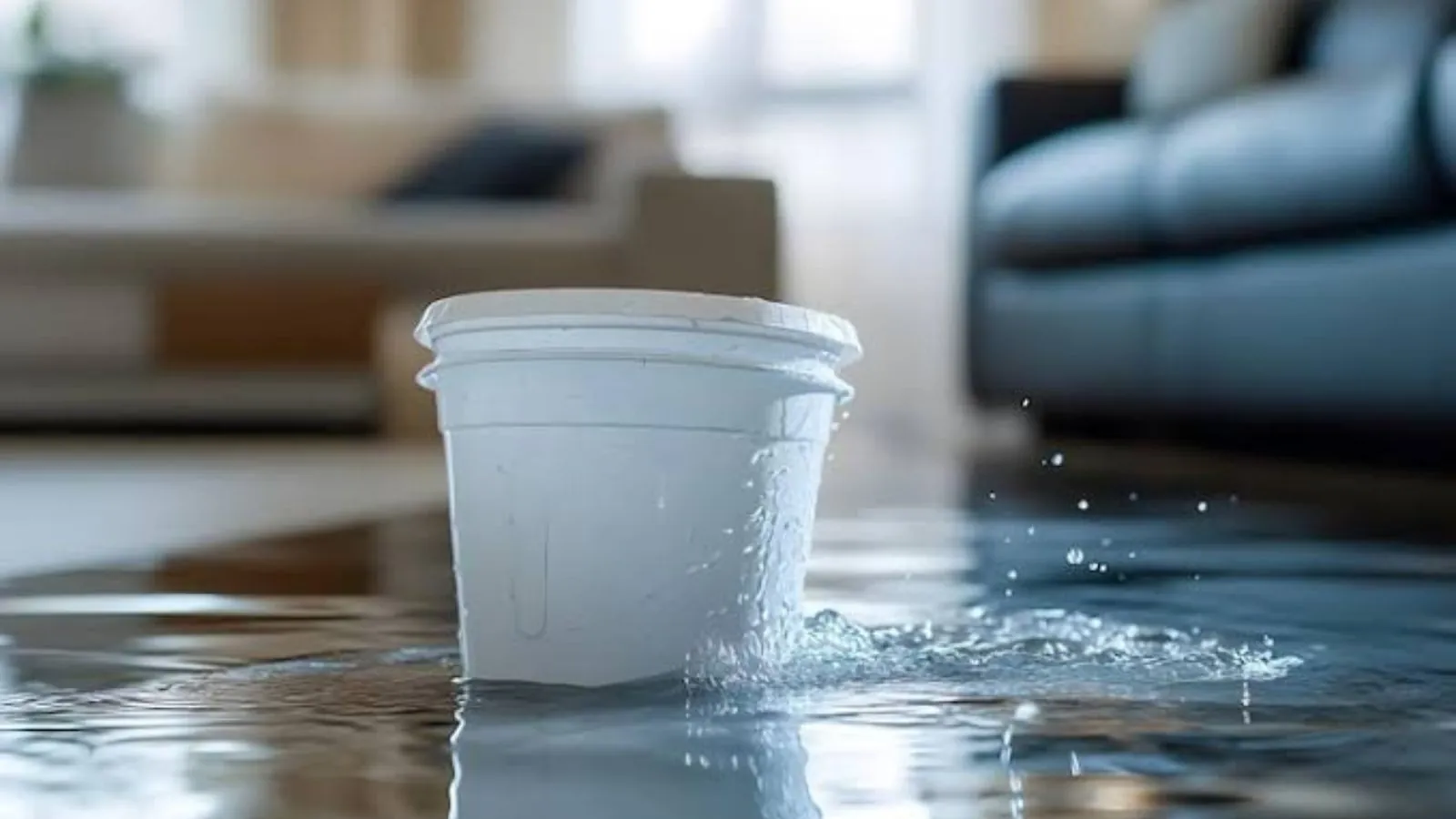
Emergency water extraction in Norristown, PA means getting standing water out of the building with pumps and extraction units before it spreads into walls and floors. Our phone line is open 24/7, so nights and weekends are covered, and the first call can start with a few questions about where the water is coming from.
While you wait, stop the source if it is safe to reach, lift anything valuable off the floor, and keep children and pets out of the water. If the water is near outlets, a panel or an appliance plugged in at floor level, stay out and call the utility or 911 before anything else.
When standing water is an emergency
Water that sits for even a day starts to wick up drywall, swell baseboards and soak the padding under carpet. The longer it stays, the more material has to be removed instead of dried. Ankle-deep water in a finished basement, an inch across a kitchen after a dishwasher failure and a laundry room under a washer hose leak are all extraction jobs.
Extraction comes first because every other step depends on it. Dehumidifiers and air movers cannot dry a room that still has water on the floor. Our crews remove the bulk water, then hand the building over to structural drying so the wet materials that remain are brought down to a normal moisture level.
Why extraction matters in a town built around three waterways
Norristown sits along the Schuylkill River, and Stony Creek and Saw Mill Run flow through the municipality into it. Downtown is described as a plateau surrounded by those three waterways, so water has a short way to travel when heavy rain overloads drains or the river rises. When the Schuylkill flooded during Hurricane Ida in September 2021, the USGS recorded floodwater covering an island, two bridges and much of the lower part of the city.
That history is the reason to treat any standing water seriously. If the water came from outside the building, it is not clean, and the job moves into flood damage restoration rules for contaminated water. If it came from a plumbing line, it may start clean and still turn gray or worse after a day or two. Ask for an assessment rather than guessing.
What the extraction process looks like
- Stop and secure the sourceA burst supply line, a failed hose or a backed-up drain has to be shut off or isolated first, or the pumps are chasing new water.
- Check for electrical and contamination riskCrews look at where water meets outlets, appliances and the panel, and decide whether it is clean, gray or black water. That decides the protective gear and what gets removed.
- Pump and extractPortable submersible pumps handle deeper water. Wand extraction units pull water out of carpet, padding and hard floors once the standing layer is gone.
- Measure what stayed wetMoisture meters and thermal imaging show water inside walls, under flooring and above ceilings that the eye cannot see.
- Hand off to dryingAir movers and dehumidifiers go in, with readings taken on following visits until the structure matches a dry reference.
Signs the water is deeper than it looks
- Baseboards are darker at the bottom or beginning to separate from the wall
- Carpet squishes when walked on even after the surface water is gone
- Hardwood or laminate edges are lifting, cupping or gapping
- Paint or wallpaper is bubbling a foot or more above the floor
- A musty smell shows up in a room that looked dry yesterday
- The floor feels cool and damp near an exterior wall or a bathroom
Extraction compared with other water jobs
Pick the row that matches what you see. If more than one fits, call and we will sort out the order of work.
| Situation | Where the water is | What happens first |
|---|---|---|
| Pipe or hose failure | Spreading from one room outward | Shut off the source, then extract and dry. See burst pipe cleanup. |
| Rising outdoor water | Entering at the foundation or door | Treat as contaminated. Extraction plus removal of porous materials. |
| Drain backup | Rising from a floor drain or toilet | Safety first. Go to sewage backup cleanup. |
| Small spill or overflow | One area, hard floor | Extract and dry the area, then check the wall base for moisture. |
What shapes the cost of this job
There is no flat price for pumping water out of a building, because no two losses are the same. These are the factors that move the total up or down.
Insurance: sudden water from a failed pipe or appliance is often covered, while water that seeps in over time often is not. Take photos before cleanup and ask your insurer what applies to your policy.
Where we work around Norristown
Extraction calls come from Norristown itself and from Bridgeport, Plymouth Meeting, Worcester and Conshohocken. Crews from the Norristown dispatch line serve each of those towns, and the Conshohocken page covers the borough on the Schuylkill River bend.
Standards behind this work
Professional water damage work follows the published ANSI/IICRC S500 standard, which sets how water is classified, what can be dried and what must be removed. That is a statement about the industry standard crews work to. It is not a claim about any individual certificate, and it does not promise a result.
Safety steps while you wait
- Stay out of rooms where water is near outlets, the panel or appliances
- Call the utility or 911 for any electrical or gas hazard
- Keep children and pets away from standing water
- Do not use household vacuums or fans on contaminated water
- Photograph the damage only if it is safe to do so
Frequently asked questions
Do you handle water extraction emergencies at night or on weekends in Norristown?
Yes. The phone line is answered 24/7, including overnight and weekends. Tell the dispatcher where the water is, how deep it is and whether it may have reached outlets, and you will get safety steps to follow until crews arrive. We do not promise an arrival time, because it depends on the call volume and the roads.
Should I use a wet vacuum from the hardware store?
A shop vacuum can help on a very small spill of clean water, as long as it is rated for wet use and nothing is plugged in near the water. It will not remove water from carpet padding, wall cavities or subfloor, and it should never be used on sewage or flood water.
How soon does water start damaging drywall and flooring?
Absorbent materials begin taking up water right away, and swelling or staining often shows within a day. The EPA advises drying wet materials in the first 24 to 48 hours to limit mold growth, which is why extraction is the first step.
Is outdoor yard or pool pumping part of this service?
No. We extract water from inside buildings. Pumping a yard, a pool or an exterior drainage problem is a different trade, and a drainage contractor is the right call for that.
Will extraction alone be enough?
Usually not. Pumps remove standing water, but moisture stays in framing, drywall and subfloor. Drying with air movers and dehumidifiers, checked with moisture readings, finishes the job.