
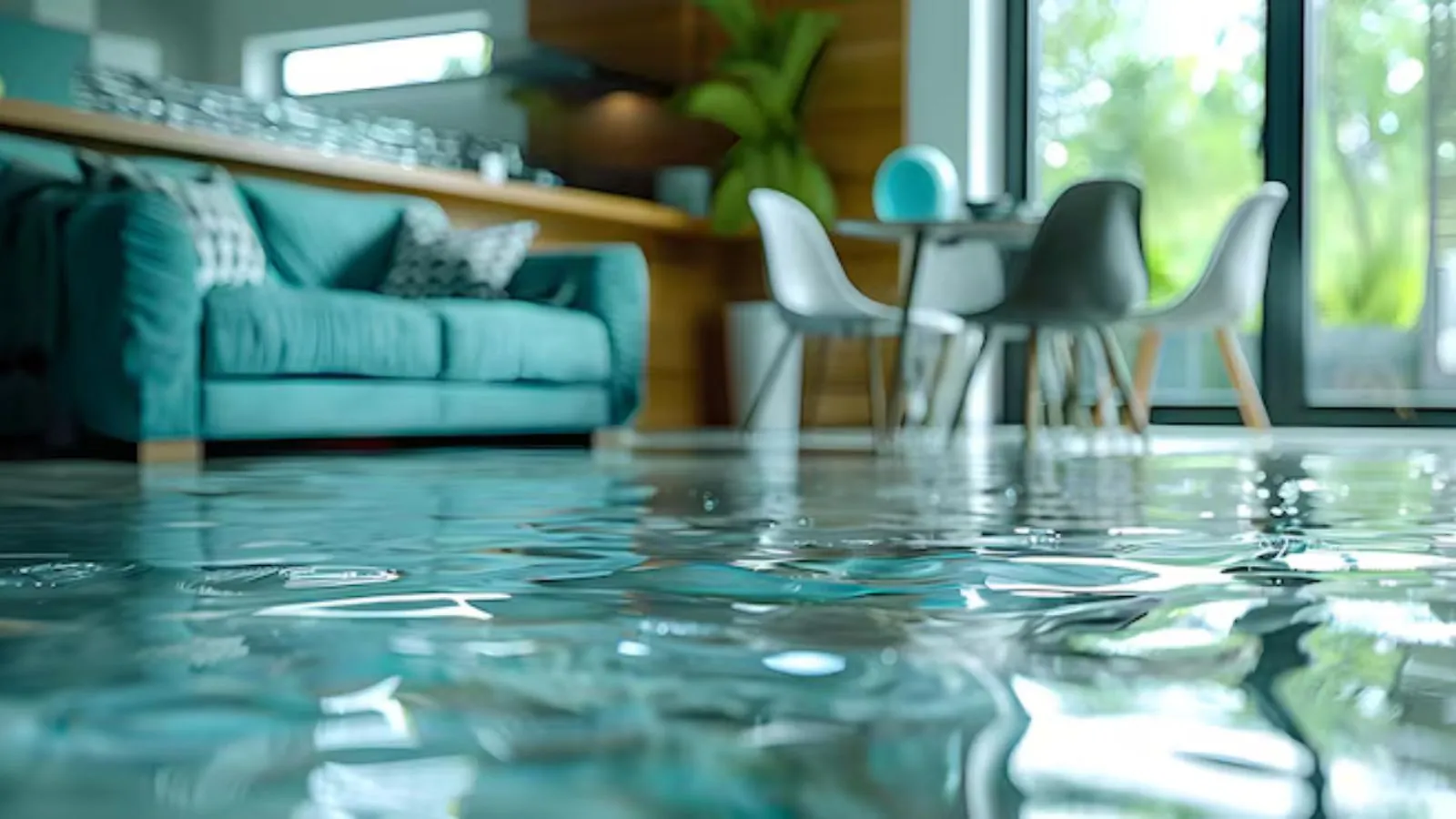
Start with safety and stopping the water
Before anything else, keep people safe. Water near outlets, the panel or appliances is an electrical hazard, and in that case you stay out and call the utility or 911. If it is safe, shut off the water at the main or at the fixture. A claim does not start with paperwork, it starts with limiting damage.
Most policies expect you to take reasonable steps to prevent further loss. That usually includes stopping the source, moving belongings to a dry area and arranging emergency drying.
The first day: a sequence
- Photograph and videoCapture the source, the water, the damaged areas and the contents before anything is moved. Wide shots show the room and close shots show detail.
- Notify the insurerCall the claims number on your policy or app and get a claim number. Ask what they want before you start cleanup.
- Protect the propertyEmergency extraction, drying and board-up are normally part of your duty to prevent further loss.
- Keep damaged itemsKeep damaged materials until the adjuster has seen them, unless they are unsafe or contaminated. Take photos if something must go.
- Start a logWrite down dates, times, names and what was said on each call.
What to photograph
- The source of the water, such as a failed hose or burst pipe
- Standing water and its depth against a wall or object
- Each affected room from several angles
- Damaged flooring, walls, ceilings and contents
- Serial numbers and labels on damaged appliances or electronics
Records an adjuster usually asks for
| Record | Why it helps |
|---|---|
| Photos and video with dates | Show the condition before cleanup |
| Plumber's or technician's report | Shows the cause and that it was sudden |
| Moisture readings and equipment logs | Show what was wet and how it was dried |
| Itemized scope of work | Lists the work and the areas affected |
| Receipts for emergency costs | Support reimbursement of reasonable mitigation |
| Inventory of damaged contents | Supports the contents portion of a claim |
Working with the adjuster
The adjuster is the insurer's representative. Be honest and factual, and give the same timeline you wrote in your log. If the adjuster cannot come right away, ask whether you may start emergency drying and keep the documentation. Waiting several days for a visit while materials sit wet usually makes the loss larger.
Do not sign anything you do not understand. If you disagree with a scope or a decision, ask for it in writing and ask what the process is to dispute it.
What a restoration company can and cannot do
A restoration company documents the loss with photos, moisture readings and a written scope, and will talk to an adjuster about that scope. It does not decide whether the claim is covered. That decision belongs to the insurer. The work itself is described under water extraction and structural drying and dehumidification, and those records are the ones adjusters typically ask for.
Be wary of anyone who promises that a claim will be approved. No contractor can promise that.
Common mistakes that slow a claim
- Throwing out damaged items before photographing them
- Letting wet materials sit for days while waiting for a visit
- Signing a work authorization without reading the scope
- Mixing building and contents damage in one list
- Losing receipts for emergency costs
Keep a single folder, on paper or in the cloud, for the photos, the claim number, the log of calls and all invoices. It saves time every time someone asks a question.
Norristown: where to look for local help
Norristown's borough government handles building permits and municipal services, and its municipal website is the place to check for any permit needed for rebuild work. For disputes with an insurer, the Pennsylvania Insurance Department takes consumer complaints. Your policy declarations page shows the deductible and limits, and your agent can explain them.
If the loss followed a storm or flooding, check whether your area is eligible for any public assistance, which is announced by Montgomery County and the state after major events. We do not state eligibility, because it is decided case by case after a declaration.
After the work is done
Keep every document for as long as your insurer or the law requires, and at least until the claim is closed. Store copies in the cloud as well as on paper. If mold appears later, see mold remediation, and tell your insurer what you find. Residents of nearby towns can read the Conshohocken and Worcester pages.
Standards and sources
Crews work to the published ANSI/IICRC S500 standard for water damage. For flood risk at a specific address, the FEMA Flood Map Service Center is the primary source, and your insurer can explain coverage.
Frequently asked questions
How soon should I report water damage to my insurer?
As soon as it is safe. Most policies expect prompt notice, and waiting can make the loss larger.
Can I start drying before the adjuster arrives?
Reasonable emergency steps are normally expected. Photograph first and ask your insurer what they want.
Should I throw away damaged items?
Keep them until they are documented, unless they are unsafe. Sewage-contaminated items are a health matter, so photograph and discard.
Does a restoration company decide whether I am covered?
No. Your insurer decides coverage. A restoration company supplies documentation and a scope.
Where can I complain if I am unhappy with a claim decision in Pennsylvania?
The Pennsylvania Insurance Department accepts consumer complaints about insurers.