
Why categories exist
Not all water is equally safe. A clean pipe is not the same as a sewer line. The ANSI/IICRC S500 standard, the reference for professional water damage restoration, groups water into three categories by contamination. The category guides what materials can be dried, what must be removed, what protective gear is used and what the health risk is.
The category is judged at the source and re-judged as time passes. Water that starts clean can move up a category.
The three categories
| Category | Name | Typical sources | General handling |
|---|---|---|---|
| 1 | Clean water | Supply lines, faucets, a fresh roof leak | Dry in place if caught quickly |
| 2 | Gray water | Washing machine or dishwasher discharge, toilet overflow with urine only, aquarium | Dry with care, porous materials often removed |
| 3 | Black water | Sewage, floodwater from outside, standing water for long periods | Remove porous materials, disinfect, wear protective gear |
How water changes category
Time and contact raise the category. Clean water that sits for several days can become Category 2. Clean water that crosses a dirty floor or contacts contaminated materials changes as well. Temperature matters, since warm conditions let bacteria multiply. This is why a fast response keeps losses at a lower category and a smaller scope.
Category is a judgment made by a trained person looking at the source, the materials and the time. It is not determined by color or smell alone.
What each category means for you
- Category 1Dry quickly. Carpet, padding and drywall can often be saved.
- Category 2Extract and clean. Padding and some drywall may need removal.
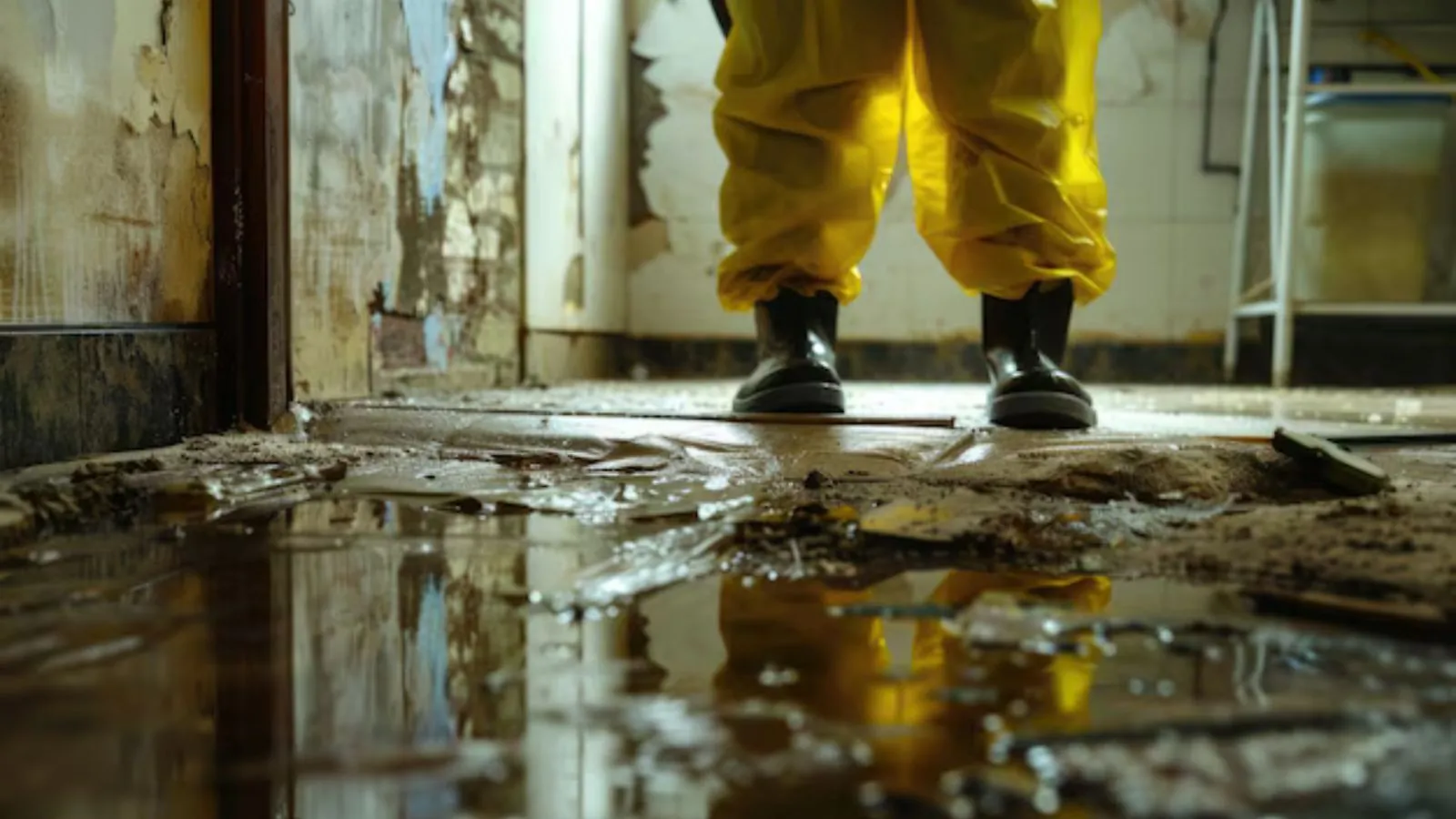
- Category 3Keep people away, use protective equipment, remove porous materials and disinfect.
- All categoriesDocument the loss and dry the structure to normal readings.
- When unsureTreat the water as one category higher until it is checked.
Safety by category
- Category 1: still stay out of electrical hazards
- Category 2: avoid skin contact and wash hands
- Category 3: stay out, keep children and pets away, do not use household equipment
- Keep an eye on people with asthma or weak immune systems
- Never run a household vacuum on contaminated water
For sewage, read sewage backup cleanup. For floods, see flood damage restoration.
Why professionals treat the category seriously
The category is more than a label. It decides what protective equipment the crew wears, whether carpet can stay, whether drywall must be cut out and what cleaning or disinfection follows. A mistake in either direction causes harm. Treating contaminated water as clean can leave people exposed, and treating clean water as black water can destroy materials that could have been saved.
If you are unsure, say so on the phone. The crew will ask about the source, how long the water has been there, and what it has touched, and will treat it conservatively until it is checked.
Examples from everyday homes
| What happened | Likely category | Why |
|---|---|---|
| A supply line under the sink splits and is caught in an hour | 1 | Clean source, short time |
| The same split runs for two days into a cabinet and the floor | 2 | Time and contact add contamination |
| A washing machine drain hose pops off | 2 | Used water with detergent and soil |
| A basement floor drain backs up | 3 | Sewage |
| Creek water enters a garage during a storm | 3 | Outside water carries soil and contaminants |
How categories show up in the paperwork
A written scope will usually state the water category, because it explains why materials are being removed or kept. Read it. If you see Category 3 and the source was a clean supply line, ask why, since time or contact may explain it. If you see Category 1 for a backup, ask for the reasoning.
Insurers also care about category. It affects what is covered, how much cleanup is needed and which materials are replaced. A clear note from the crew, with photos of the source and the conditions, helps your adjuster understand the decision.
Norristown: where each category comes from
In Norristown, Category 1 events usually start inside the house with a supply line, a water heater or a frozen pipe. Category 3 sources include sewer backups, since the sewer system is operated by the Norristown Municipal Waste Authority, and floodwater from the creeks and river. We do not state how often either occurs. If you are unsure whether a backup is in your own lateral or in the public main, call the Authority.
Heavy rain can also overload drains and push dirty water into basements, so keep an eye on storm drains near your property.
What to do next
Whatever the category, stop the source, keep people safe and call. A crew will ask about the source, the time and what the water touched, which determines the category. Related guides cover water extraction and structural drying. Residents of Worcester and Plymouth Meeting can read how we respond there.
Frequently asked questions
What is Category 1 water?
Clean water from a supply source, such as a faucet or a pipe.
Can Category 1 water become Category 3?
It can move up as time passes and as it contacts dirty materials.
Is floodwater always Category 3?
Floodwater from outside is treated as Category 3 under the S500 standard.
Who decides the category?
A trained technician judges it from the source, materials and time.
Who operates Norristown's sewer system?
The Norristown Municipal Waste Authority. Call it if you think the main is blocked.