
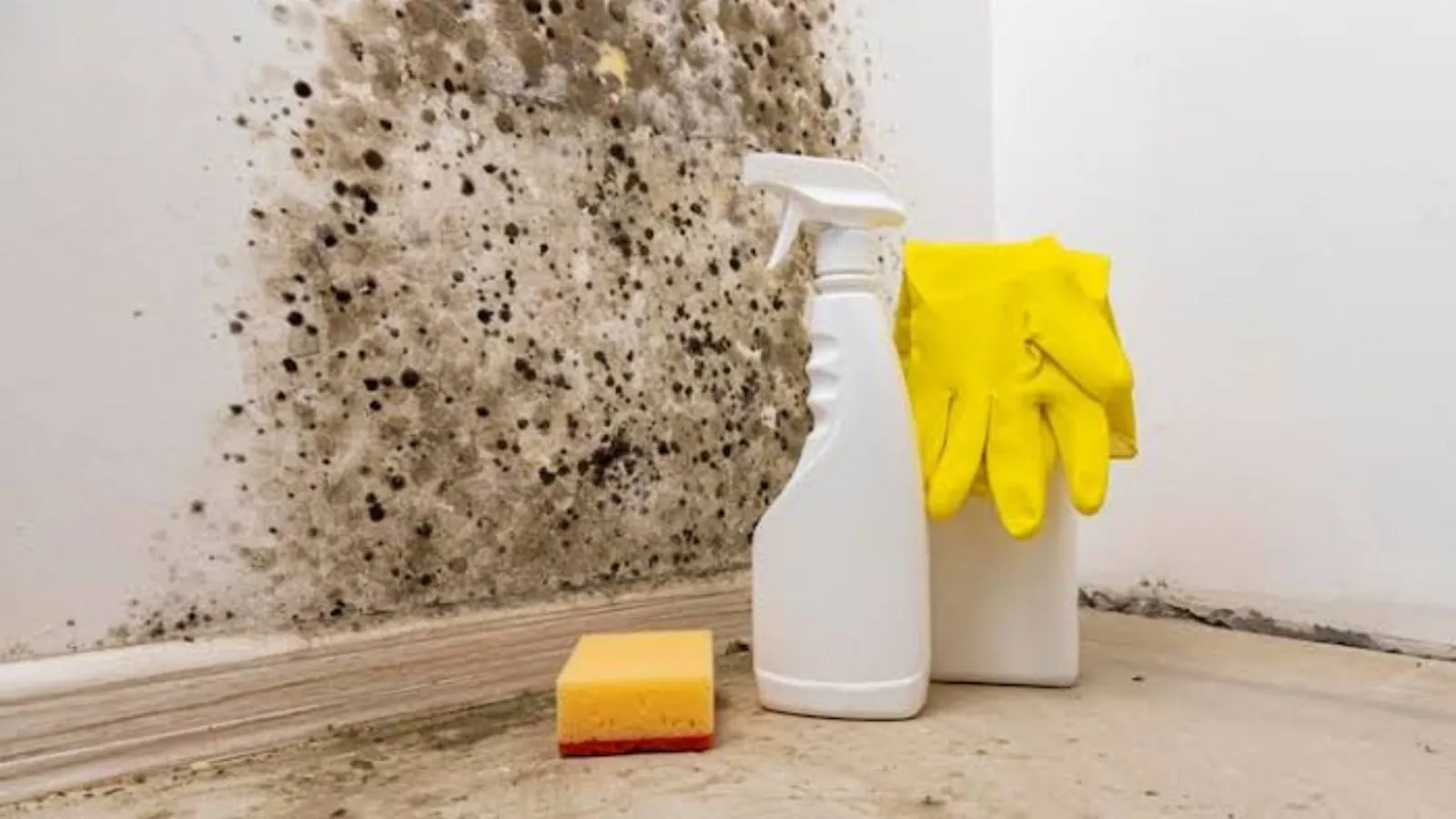
Can you tell black mold by looking at it?
Not reliably. Many molds look dark green, brown or black, and color changes with the surface, age and moisture. Only a lab identifies a species. The mold sometimes called black mold, Stachybotrys, grows on materials that stay very wet for a long time, such as paper-faced drywall, but plenty of other dark molds look similar. For a homeowner the practical point is that any visible mold means there is a moisture problem to fix.
The Centers for Disease Control and Prevention advises that testing to identify the type of mold is not needed, because indoor mold should be removed whatever it is. People with asthma, allergies or weakened immune systems can react to many types.
What the EPA says about testing
The Environmental Protection Agency does not recommend routine sampling when mold is visible, because the response is the same no matter which species it is: fix the moisture, and remove the growth safely. Money spent on sampling is often better spent on fixing the leak and cleaning. Sampling can make sense when mold is suspected but not visible, when someone has symptoms and cannot find a source, or when a lawyer, lease or insurer asks for it.
Results are a snapshot. Spore counts change with weather, time of day and activity in the room, so a single reading is hard to interpret without a baseline.
Kinds of mold tests
| Method | What it shows | Limits |
|---|---|---|
| Home kit with a settling dish | Spores that land on a plate in a room | Mold is everywhere in air, so a positive is expected. It does not say how much |
| Tape or swab of a surface | Presence of growth on that spot | Does not show hidden mold or exposure |
| Air sample by a professional | Spore counts compared with outdoor air | A single moment in time |
| Moisture survey and inspection | Wet materials and likely hidden growth | Requires a trained person and a meter |
A practical approach
- Look for moistureFind stains, leaks, condensation, damp basements and musty smells.
- Fix the waterMold cannot grow without moisture, so repair the source first.
- Limit disturbanceKeep the area closed. Do not brush, fan or spray it.
- Get an inspection if hiddenA moisture meter and thermal camera can locate hidden damp areas.
- Remediate and verifyRemove affected materials and dry the structure. A clearance check follows when documentation is needed.
When a professional is worth it
- The growth covers a large area or returns after cleaning
- There is a musty smell with no visible source
- Someone in the home has asthma, allergies or a weakened immune system
- The mold followed a flood or sewage backup
- An insurer, lease or sale requires documentation
More on the process is on the mold remediation page. If the area is still damp, structural drying comes first.
Hiring an inspector
If you decide an inspection makes sense, choose someone who is separate from the company that would do the cleanup. Ask what they measure, what instruments they use, how they report and whether they will explain the results in writing. An inspector should look first for moisture, since that is the cause, and not only take samples.
Ask for the report in plain language with photos, moisture readings and a clear list of areas that need attention. Keep it with your records, because it helps with insurers, buyers and any later work.
Protecting yourself while you decide
Until you know more, limit exposure. Keep the area closed, avoid disturbing growth and wear a well-fitting N95 respirator, gloves and eye protection if you must go in. Do not use fans that spread dust. If someone has breathing trouble, ask their doctor, and move them away from the area while it is dealt with.
Norristown: where moisture hides
In and around Norristown, common spots for hidden moisture are basements and crawl spaces, bathroom walls, areas under kitchen sinks and ceilings below roofs. The borough sits along the Schuylkill River with Stony Creek and Saw Mill Run running through it. We do not state which areas are damp, since that varies house by house. Using a basic hygrometer to watch indoor humidity helps, and the EPA suggests keeping indoor humidity below 60 percent, ideally between 30 and 50 percent.
If you are not sure whether a basement is a problem, check it after a heavy rain.
What not to do
- Do not rely on bleach as a cure
- Do not run a fan across visible growth
- Do not paint over it
- Do not ignore the leak that fed it
- Do not assume a clean test means the water problem is gone
Nearby towns face the same issue. See the Worcester and Bridgeport pages.
Safety steps while you wait
- Stay out of rooms where water is near outlets, the panel or appliances
- Call the utility or 911 for any electrical or gas hazard
- Keep children and pets away from standing water
- Do not use household vacuums or fans on contaminated water
- Photograph the damage only if it is safe to do so
Frequently asked questions
Is a home mold test kit worth buying?
Usually not. Mold spores are normally present in air, so a kit can show growth even in a clean house. It does not tell you how much or where.
Is black mold more dangerous than other mold?
Color does not tell you the species. The CDC advises that any indoor mold should be removed, and people with asthma or allergies are more likely to react.
When is professional testing useful?
When mold is hidden or suspected, or when an insurer, lease or lawyer needs documentation.
What humidity level helps prevent mold?
The EPA suggests keeping indoor humidity below 60 percent, ideally 30 to 50 percent.
Where in a Norristown house should I look first?
Basements, bathrooms, under sinks and under roof leaks are good starting points.