
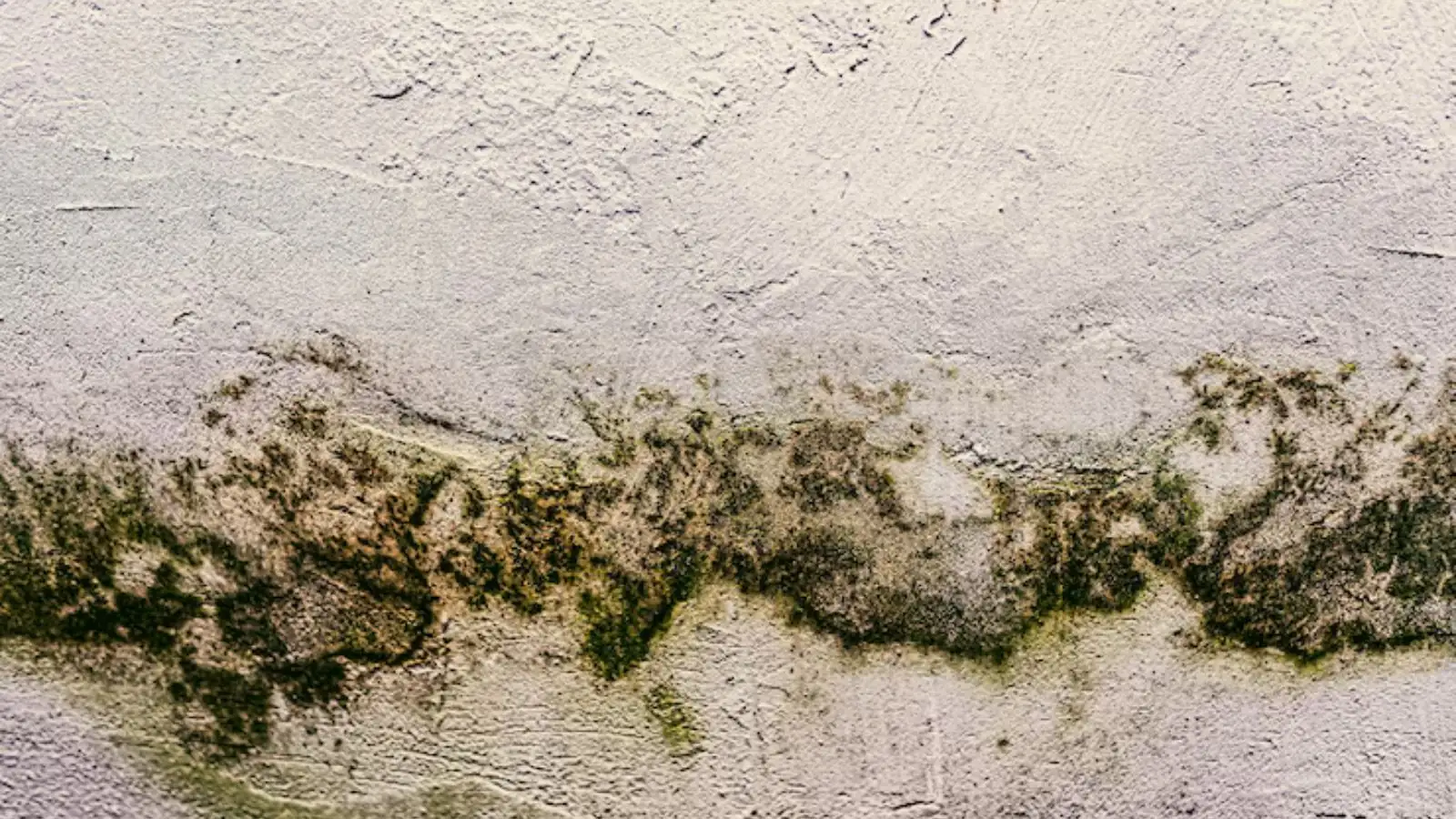
Why there is no single price
Mold removal is priced by scope, not by the word mold. A small patch on a bathroom ceiling and widespread growth in a basement wall are very different jobs. We do not publish dollar ranges here, because a figure without a local primary source would be a guess. What we can do is explain the pieces of a quote so you can compare them.
Be careful with any quote that gives a price over the phone with no description of the area, the materials and the water source. Mold work needs inspection before it needs a number. It also helps to know that part of the bill is usually not the mold at all, but the work around it: protecting the rest of the house, handling waste correctly and drying the space so the problem does not return.
The main cost factors
| Factor | Why it matters |
|---|---|
| Area affected | More square footage means more containment, labor and disposal |
| Materials | Porous materials like drywall and carpet are removed, while wood and concrete can often be cleaned |
| Containment and air filtration | Barriers and HEPA air machines add setup and equipment days |
| Access | Attics, crawl spaces and tight basements take longer |
| Moisture source and drying | Fixing and drying the source is part of the job or must be done first |
| Rebuild | Replacing drywall, insulation and finishes is separate from removal |
What is usually in a scope
- Inspection and moisture surveyThe firm finds the growth, the wet materials and the likely source.
- ContainmentPlastic barriers and negative air keep spores from spreading.
- RemovalAffected porous materials are cut out and bagged.
- CleaningSurfaces are HEPA vacuumed and wiped.
- Drying and verificationThe area is dried and checked before rebuild.
Testing is a separate line
Air or surface sampling is optional and billed separately. If testing is wanted, an independent tester is often preferred so the company that cleans is not the one that clears its own work. The EPA does not recommend routine sampling when mold is visible, since the answer does not change what you do.
Ask whether a quote includes testing, and whether the tester is independent of the remediation firm.
How to compare two quotes
- Same area and same list of rooms
- Same containment method and air filtration
- Whether disposal and cleaning are included
- Whether drying equipment and monitoring visits are included
- Whether rebuild is in or out
- What happens if more growth is found behind a wall
Does insurance pay?
Mold coverage is often limited or excluded in standard homeowners policies, and the cause matters. Mold that follows a covered sudden leak can be treated differently from mold that came from a long-term moisture problem. Ask your insurer exactly what applies and what limit exists. Keep photos and records, because they help in either case.
If the mold followed a flood or sewage, the water category affects the cleanup and the claim. See structural drying for the drying side that prevents regrowth.
Warning signs in a mold quote
Some quotes should slow you down. A flat price over the phone with no inspection, pressure to sign on the spot, a scope that does not mention the water source and a promise that mold will never return are all reasons to ask more questions. Mold work that skips containment can spread spores to clean rooms and create a bigger job.
A good quote names the rooms, the materials to be removed, the containment method, the equipment and the way the area is checked afterward. It also says what is not included, such as rebuild. Ask for it in writing and compare it with others on the same terms.
Norristown: practical local notes
For rebuild work, the borough of Norristown's municipal offices are the place to ask about permits. Many local homes have basements and older plumbing runs, and mold work often starts in those places because moisture collects there. We do not state the age of specific neighborhoods or the share of homes affected. What we can say is that a scope should name the exact area, because costs follow the area.
Neighbors in Bridgeport and Conshohocken ask the same questions, and the same cost factors apply.
Cutting cost the right way
The best way to lower mold cost is to stop the moisture early and dry fast, since growth is small when caught quickly. A dehumidifier in a damp basement, working exhaust fans in bathrooms and fixing leaks at once all reduce the chance of a big job. Cutting corners on containment or skipping moisture repair costs more later.
Safety steps while you wait
- Stay out of rooms where water is near outlets, the panel or appliances
- Call the utility or 911 for any electrical or gas hazard
- Keep children and pets away from standing water
- Do not use household vacuums or fans on contaminated water
- Photograph the damage only if it is safe to do so
Frequently asked questions
Can you give a price for mold removal over the phone?
Not responsibly. We describe the scope after learning the area, materials and source, and explain it before work starts.
Why is mold removal more expensive than cleaning?
Because it involves containment, filtration, controlled removal and disposal to avoid spreading spores.
Does painting with mold-killing paint work?
Paint does not fix moisture or remove growth. It can hide the problem.
Is testing included in the price?
Usually not. It is optional and priced separately.
What is the simplest way to avoid a big mold bill in a Norristown basement?
Stop leaks, keep humidity down with a dehumidifier and dry wet materials within a day or two.