
The short answer
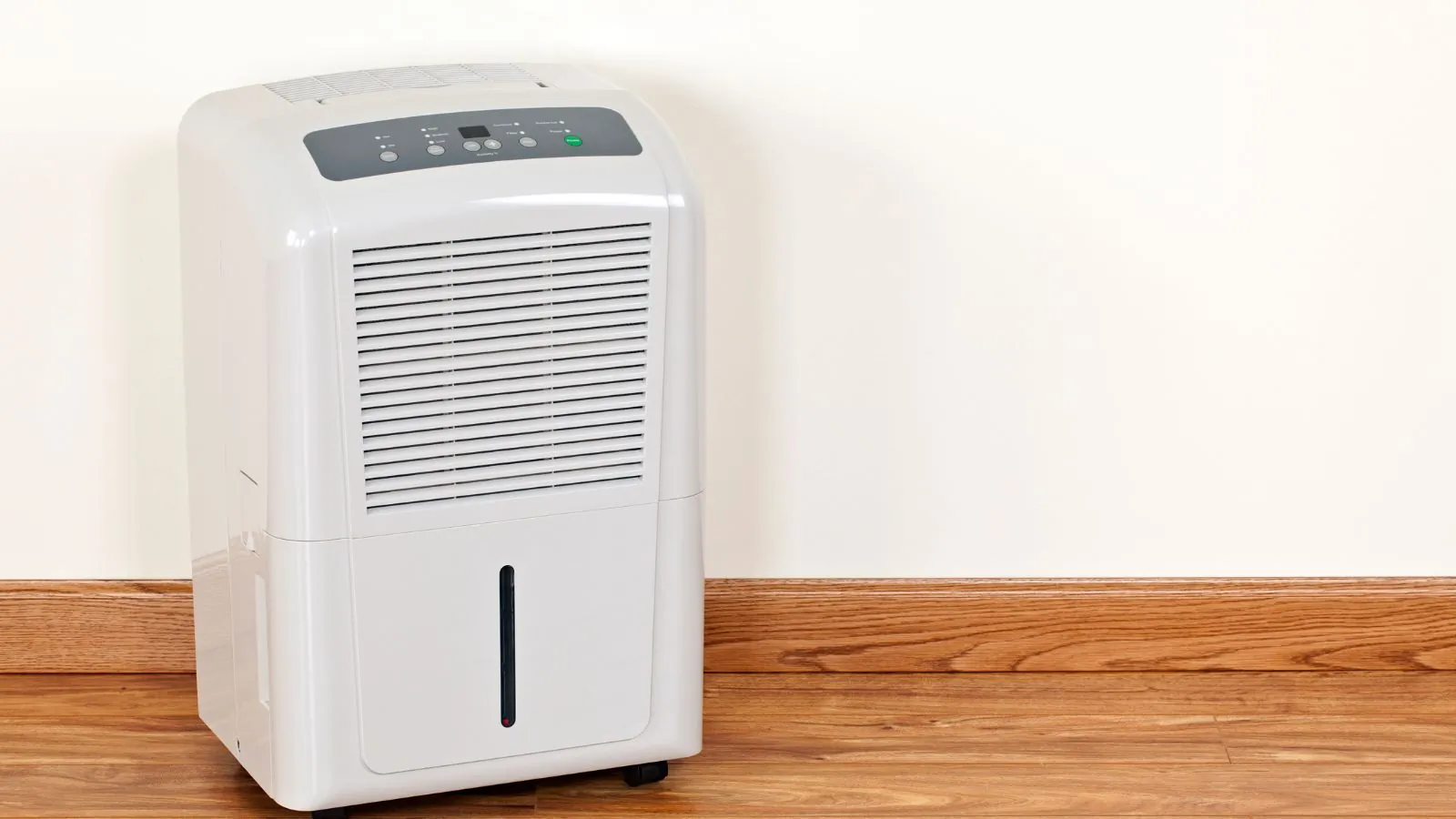
For most homes with clean water and fast action, drying equipment runs for several days. Dense materials, deep saturation and humid weather stretch that. There is no fixed number that fits every loss, and anyone who promises one before seeing the building is guessing. The target is a reading, not a date. Materials are dry when moisture readings match a dry reference.
Air that feels dry and surfaces that feel dry are not proof. Wall cavities, subfloors and padding can hold water after the room feels normal.
What sets the timeline
| Factor | Effect on drying time |
|---|---|
| Material | Carpet and drywall dry faster than hardwood, plaster and concrete |
| How long it was wet | Water that sat for days soaks deeper and is slower to remove |
| Amount of water | More volume means more to remove |
| Indoor conditions | High humidity and cold slow drying, warm dry air speeds it |
| Equipment and airflow | Properly placed air movers and dehumidifiers shorten it |
| Whether wet materials are removed | Removing soaked padding or insulation speeds the rest |
The stages of drying
- ExtractionMost of the water is pulled out first. Equipment cannot dry a flooded floor.
- SetupAir movers and dehumidifiers go in after moisture mapping.
- Active dryingEquipment runs while air carries moisture to the dehumidifiers.
- MonitoringReadings are taken on later days. Equipment is adjusted or removed.
- Final readingsMaterials meet the dry standard, and equipment is removed.
Why the first 24 to 48 hours matter
The EPA notes that mold can begin growing on wet materials within 24 to 48 hours. That is the clock behind quick response. Starting extraction and drying early shortens the total time and reduces how much has to be removed. Waiting a few days often turns a drying job into a removal and rebuild job.
If mold has already started, see mold remediation. For standing water, the first response is water extraction.
What you can do while you wait
- Keep doors and windows closed during drying unless told otherwise
- Do not turn off the equipment, even if it is noisy
- Keep the thermostat steady
- Do not move equipment
- Tell the crew about any new stains or smells
Equipment that is switched off early leaves moisture behind. If noise or cost is a worry, ask the crew what the readings show and when it can go.
Signs drying is not finished
- A musty smell remains
- Flooring is cupped or paint is bubbling
- Baseboards feel cool or damp
- Readings are higher than an unaffected reference wall
- Condensation forms on windows in the drying area
Dry standard and monitoring visits
A dry standard is the moisture reading of the same material in an unaffected part of the building. A technician measures wet areas and compares. If drywall in a reference room reads at one level, the wet wall is dry when it reaches that level. Readings are logged each visit, so there is a written record of progress.
Monitoring visits also let the crew move equipment as areas finish. An air mover that is no longer needed in one room goes to a wetter spot, which shortens the total time.
Myths about drying
- Myth: if it feels dry, it is dry. Readings in the wall and floor often say otherwise.
- Myth: a fan is enough. Fans move air but do not remove moisture from it.
- Myth: opening all windows always helps. In humid weather it can bring more moisture in.
- Myth: turning the heat way up speeds everything. Controlled conditions matter more.
Ask the crew to show you the readings. A good scope explains what the numbers mean.
Planning around a drying job
Drying equipment is loud, and it runs day and night. Plan for noise, for extra electricity use and for rooms that are closed off. Tell the crew about pets, children, anyone sensitive to noise and anyone working from home, so equipment placement and schedules can account for it.
Keep valuables and medications out of the work area, and leave paths clear so crews can reach every room. A little planning shortens the visits and keeps everyone comfortable until the readings are normal.
Norristown: humid summers, damp basements
Norristown has humid summers and cold winters, and basements are damp spaces for much of the year. Humid air slows drying, which is why dehumidifiers, not just fans, do the main work. We do not give local timing statistics, since each building behaves differently. The EPA suggests keeping indoor humidity below 60 percent, ideally 30 to 50 percent, and that is a useful target after any loss.
Basement losses are explained at basement water damage cleanup. For wood floors, which dry slowly, see hardwood floor water damage repair.
Where to read more locally
Our crews respond across Norristown and nearby towns, and the same drying principles apply there. See the Plymouth Meeting and Worcester pages.
Safety steps while you wait
- Stay out of rooms where water is near outlets, the panel or appliances
- Call the utility or 911 for any electrical or gas hazard
- Keep children and pets away from standing water
- Do not use household vacuums or fans on contaminated water
- Photograph the damage only if it is safe to do so
Frequently asked questions
How many days does water damage take to dry?
Several days is common for clean water losses, but readings decide, not a calendar.
Why does drying take longer in summer humidity?
Humid air holds less additional moisture, so dehumidifiers work harder.
Can I dry a wet room with box fans?
Fans help with minor dampness, but wall cavities and subfloors usually need dehumidification and monitoring.
How do I know it is dry?
Moisture readings match an unaffected reference area.
Why does a Norristown basement dry slowly?
Basements have little airflow and often high humidity, and concrete holds moisture.