
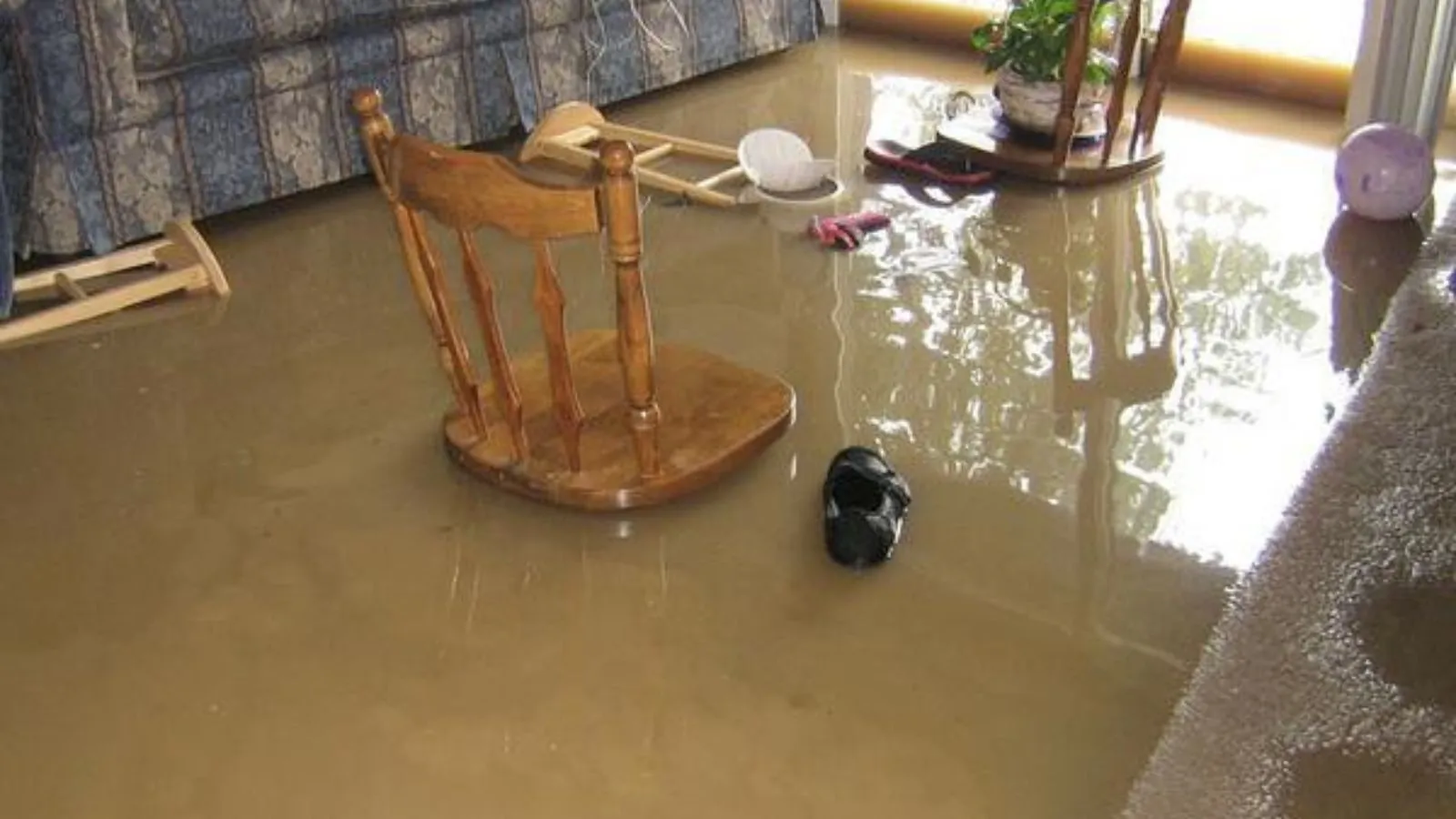
The cause of the water decides the answer
Policies are written around perils, which means causes. A standard homeowners policy in Pennsylvania, like most of the country, usually covers damage from a sudden and accidental event inside the home. A supply line that bursts, a washing machine hose that splits or a frozen pipe that cracks are common examples. The same policy often excludes damage from long-term leaks, rising floodwater and sewer backup.
That split is why two homes with the same wet carpet can get very different answers. Read your own policy, because wording, limits and endorsements differ, and ask your insurer or agent to explain anything unclear. This page describes general patterns and is not a statement of what your policy covers.
What is often covered
- A pipe or supply line that bursts suddenly
- An appliance that fails and discharges water, such as a dishwasher or water heater
- Water from a frozen pipe that cracked
- Rain that enters through a storm-created opening in the roof or a wall
- Sudden overflow from a plumbing fixture
Even when the event is covered, the policy may pay for the damage and not for the cost of repairing the failed pipe or appliance itself. Many policies also have deductibles and sublimits, so read those lines.
What is often not covered
| Situation | Typical treatment | Why |
|---|---|---|
| Rising floodwater from outside | Excluded from a standard policy | Flood is insured separately, usually through the National Flood Insurance Program or a private flood policy |
| Sewer or drain backup | Excluded unless you added an endorsement | Often sold as water backup coverage |
| Slow leaks over weeks or months | Often excluded | Treated as maintenance or wear |
| Groundwater seepage through a foundation | Often excluded | Considered surface or ground water |
| Mold from a long-term moisture problem | Often limited or excluded | Depends on cause and policy limits |
Why the word sudden matters
Adjusters look for evidence that the loss was sudden and not gradual. Rust stains, long-running drips, rotted wood and mold growth suggest a slow leak, even if the day you noticed it felt sudden. That does not always end a claim, but it can reduce it. Photos of the source, a plumber's report and a clear timeline help show what happened.
If you discover a leak, stop the water first. Then document before cleanup, because the policy generally expects you to protect the property from further damage. Reasonable emergency steps such as extraction and drying are normally part of that duty, and an insurer can tell you what it will accept.
Flood insurance is a separate policy
Floodwater from a swollen creek or river, or water that enters from the ground surface, falls under flood coverage and not a standard homeowners policy. Flood policies from the National Flood Insurance Program generally have a waiting period before they take effect, so buying one after a storm is forecast is usually too late. Your insurer or agent can tell you how to check.
If your home sits near a waterway, check the FEMA flood map for your address and ask an agent about flood coverage before you need it. When floodwater has already entered a building, the cleanup is covered by flood damage restoration.
Sewer backup and water backup endorsements
Sewage coming up a drain is a separate peril from a burst pipe. Many standard policies exclude it unless you added water backup coverage, often with a lower limit than the main policy. Check whether you have it and what the limit is. A sewage backup is Category 3 water, and the work is described under sewage backup cleanup.
Norristown: what to check locally
Norristown is a borough and the county seat of Montgomery County, with a downtown on a plateau between the Schuylkill River, Stony Creek and Saw Mill Run. A 2021 municipal presentation counted about 32 miles of storm pipe and 1,350 inlets. Those are facts about the drainage system, not about your coverage. They are a reason to ask your agent whether a policy treats surface water, drain backup and flood separately, and to look up your own address on the FEMA flood map.
The Pennsylvania Insurance Department publishes consumer guidance on homeowners claims and takes complaints about insurers. Contact it if a claim decision does not seem consistent with your policy.
Questions to put to your insurer
- Does my policy cover sudden pipe and appliance discharge, and what is the deductible?
- Do I have water backup coverage, and what is the limit?
- How does the policy treat mold after a covered loss?
- What documentation do you want for a claim?
- Does the policy pay for emergency water removal before an adjuster visits?
Next step
If your home has water damage now, drying quickly limits both damage and claim size. See water extraction for what the first response looks like, and the Bridgeport and Plymouth Meeting pages if you are in a neighboring town.
Safety steps while you wait
- Stay out of rooms where water is near outlets, the panel or appliances
- Call the utility or 911 for any electrical or gas hazard
- Keep children and pets away from standing water
- Do not use household vacuums or fans on contaminated water
- Photograph the damage only if it is safe to do so
Frequently asked questions
Does homeowners insurance cover a burst pipe?
Often yes, when the burst was sudden. Coverage for the repair of the pipe itself varies, so ask your insurer.
Is flood damage covered by homeowners insurance?
Generally no. Flood is a separate policy.
Is sewer backup covered?
Only if you added a water backup endorsement. Check your policy.
Will my insurer cover mold?
Mold coverage is commonly limited. If the mold followed a covered leak, the result can differ from mold caused by long-term moisture.
Who in Pennsylvania handles insurance complaints?
The Pennsylvania Insurance Department takes consumer complaints about insurers and publishes guidance for homeowners.