
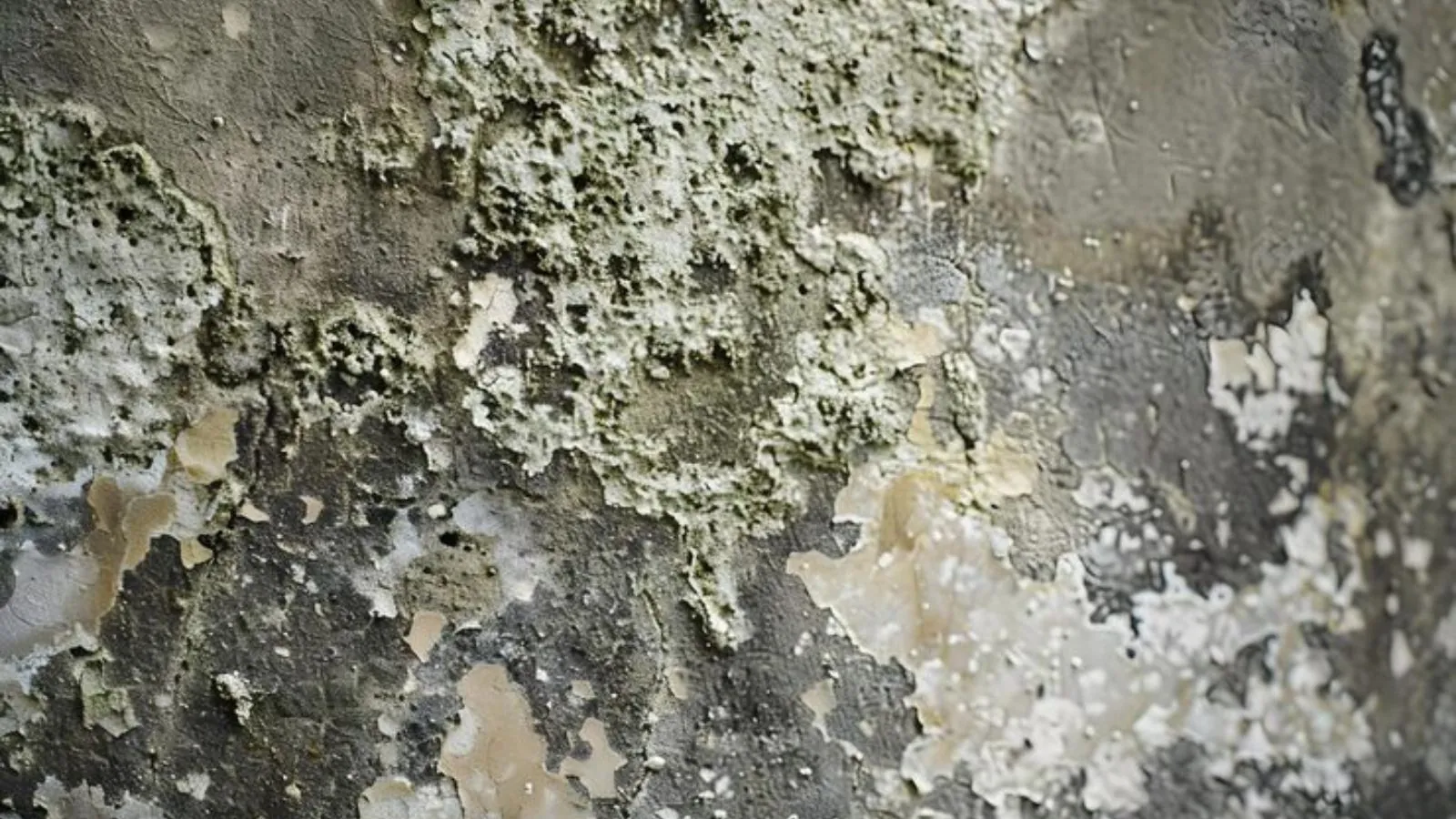
Why commercial mold is a management issue
A home has one household. A commercial building has tenants, employees, customers, a landlord, insurers and sometimes a lender. A moldy ceiling in an office raises questions about who is responsible, whether people can stay in the space and what records exist. The cleanup is the same science as in a house. The surrounding decisions are different.
The first rule is the same everywhere: mold needs moisture, so the water source has to be found and fixed. Cleaning mold without stopping the moisture only buys time.
First steps for an owner or manager
- Limit exposureKeep occupants out of the affected area and stop foot traffic through it.
- Find the moistureCheck roof, plumbing, HVAC condensate and exterior walls. Water source fixes come first.
- Notify the right partiesTell the landlord or property manager, affected tenants and your insurer.
- DocumentPhotograph the growth, record dates and keep maintenance logs.
- Get a scopeA written scope names the area, the materials and the containment plan.
What the work involves
Commercial remediation uses containment, negative air machines with HEPA filtration, removal of affected porous materials, cleaning of surfaces and drying. Larger spaces may be done in phases so part of the building stays open. Air handling matters because the HVAC system can spread spores through a building, so the plan should say what happens to it.
Scope, containment and drying are explained on the mold remediation page, and drying equipment on structural drying.
Testing and clearance
| Step | Purpose | Who usually does it |
|---|---|---|
| Visual inspection | Find and size the growth | Remediation firm or inspector |
| Moisture survey | Find wet materials and the source | Remediation firm |
| Air or surface sampling | Document conditions | Independent tester |
| Clearance check | Confirm cleanup before rebuild | Independent tester is often preferred |
Sampling is optional in many cases. It is often used when a lease, a lawyer or an insurer wants documentation, and an independent tester avoids the conflict of the cleanup company checking its own work.
Tenants, leases and insurance
Leases usually say who maintains the building and who covers tenant contents. A tenant's moldy stock and a landlord's moldy ceiling may belong to different policies. Insurers often limit mold coverage, and the cause matters. A covered burst pipe followed by mold can be treated differently from a long-term roof leak.
Ask your broker what applies and keep records of every date. Commercial water losses that lead to mold are discussed on commercial water damage restoration.
Documenting for tenants and insurers
Commercial mold work generates paperwork that matters later. Keep the dates of the water event, photos of the growth, the written scope, moisture logs, clearance results and invoices in one folder. Send tenants clear written notice about what area is closed and when it is expected to reopen.
If a tenant disputes responsibility, these records show what was done and when. They also help an insurer separate the building loss from tenant contents, and they help a buyer or lender understand the building's history if the property is later sold.
Choosing and managing a remediation firm
Ask each firm to walk the space, state the scope in writing and explain how they will contain the work and handle waste. Ask what standard they follow, such as ANSI/IICRC S520, and who verifies the result. Be cautious about any firm that wants to start without finding the moisture source.
Assign one person on your side to coordinate access, notices to tenants and payments. A single point of contact avoids mixed instructions, and written change orders keep the scope clear if more growth is found once walls are opened.
Keeping occupants informed
Tenants and staff will ask questions. Tell them what was found, what area is closed, what is being done and when more information will follow. Avoid health claims, and direct people with symptoms to their own doctor. Clear communication reduces rumors and protects relationships while the work is under way.
Norristown buildings
Norristown's downtown includes office buildings such as One Montgomery Plaza, a 10-story building from the early 1970s, arts venues around the Montgomery County Cultural Center and mixed-use blocks. The former Sears building at Studio Centre was converted to offices. Larger and older buildings often have long runs of plumbing, flat roofs and rooftop HVAC, all places where hidden moisture can start. We do not claim any of those buildings has a mold problem. The point is that building type shapes where to look.
For code or permit questions on rebuild work, check with the borough's municipal offices.
Planning for continuity
A written plan helps. Know where your shutoff valves are, who is called after hours, which areas are critical and which tenants must be notified. Neighboring towns share many of the same building types, and the Conshohocken and Plymouth Meeting pages describe the commercial streets there.
Safety steps while you wait
- Stay out of rooms where water is near outlets, the panel or appliances
- Call the utility or 911 for any electrical or gas hazard
- Keep children and pets away from standing water
- Do not use household vacuums or fans on contaminated water
- Photograph the damage only if it is safe to do so
Frequently asked questions
Do I need a mold test before commercial remediation?
Not always. If growth is visible, the response is to fix moisture and remove it. Testing can help documentation and clearance.
Can part of the building stay open?
Often, with containment and phasing. The plan should say so.
Who is responsible for mold in a leased space?
It depends on the lease and the cause. Check the lease and tell the landlord and your insurer.
Is mold coverage included in commercial insurance?
Often limited. Ask your broker.
Why do HVAC systems matter?
They can move spores to other areas, so the plan should address them.