
Start with your senses
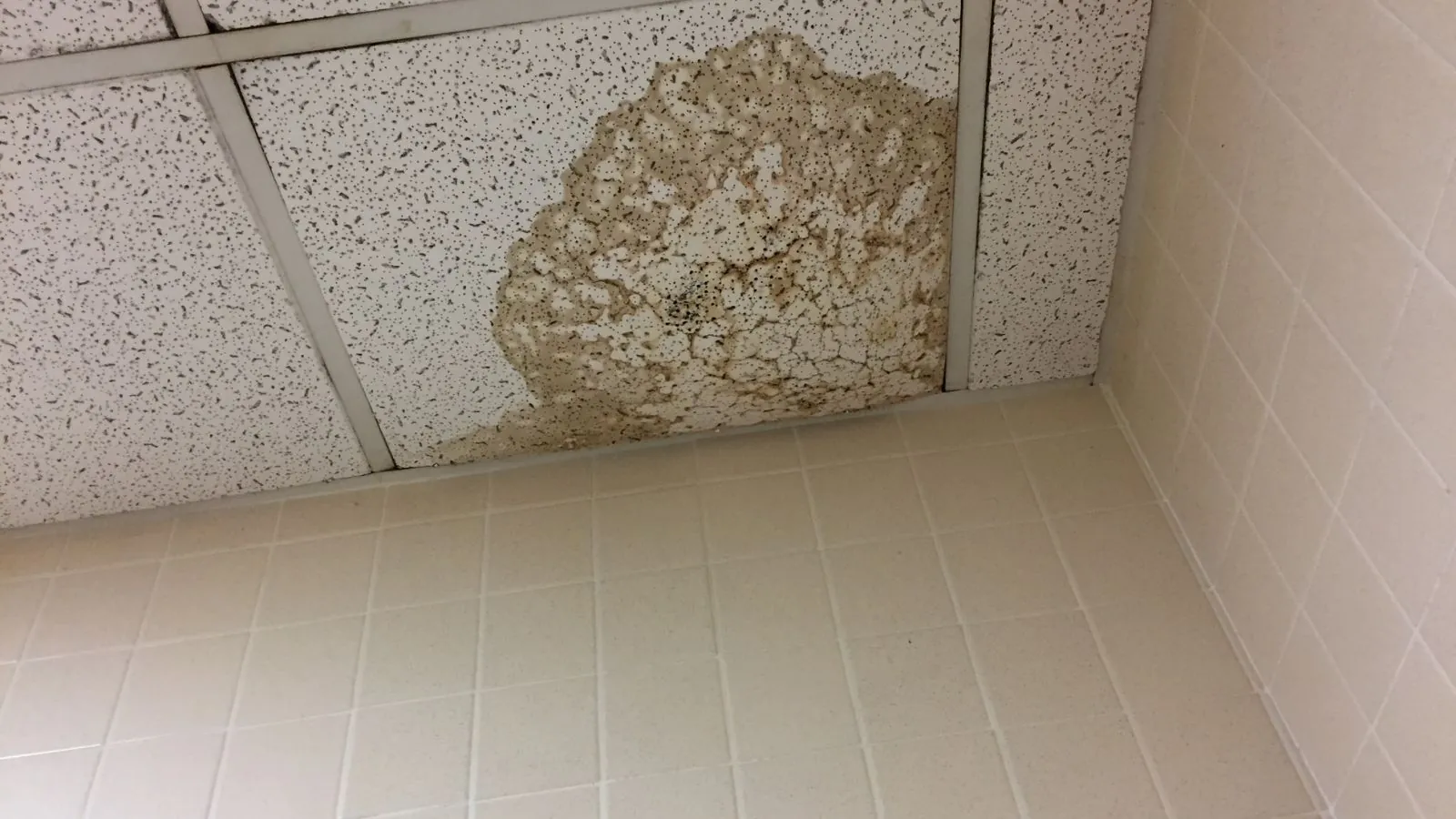
Walk the house slowly and trust your nose. A musty or earthy smell in a basement, closet or bathroom often means moisture. Look at ceilings and wall bases for stains, and touch drywall near windows and under sinks. Fresh paint in one spot, new flooring in one room or a space heater in a basement are clues worth asking about.
None of these prove damage, but each is a reason to look closer.
A room by room checklist
| Area | What to look for |
|---|---|
| Basement | Efflorescence (white powder) on walls, stains at the floor edge, a dehumidifier running, new paint low on walls |
| Ceilings | Brown rings, sagging, patched areas, especially below bathrooms and roofs |
| Bathrooms | Soft floors, cracked or missing caulk, loose tile, stains on the ceiling below |
| Kitchen | Swollen cabinet bases, soft floor near the sink and dishwasher |
| Attic | Dark roof sheathing, stains on rafters, wet insulation |
| Exterior | Downspouts that end at the wall, cracked foundation, soil sloping toward the house |
| Windows and doors | Peeling paint and stains on sills and frames |
Questions for the seller
- Has there been any water, flood or sewer backup?
- Were there insurance claims for water damage?
- When was the roof last repaired or replaced?
- Are there records of any repairs and who did them?
- Is there a sump pump, and has it run?
Sellers in Pennsylvania generally complete a disclosure form, and you can ask the agent how it applies to your purchase. The form is not a substitute for an inspection.
What an inspector adds
A home inspector uses a moisture meter and sometimes a thermal camera to find damp areas you cannot see. If the report flags moisture, you can ask for a specialist to look at it, ask the seller to repair it or reconsider the price. The inspection contingency in your contract sets the time limits, so ask your agent or attorney about the deadlines.
A dry surface can still hide a wet wall. If there is doubt, readings from a restoration firm explain the extent. See structural drying and dehumidification for what moisture mapping is.
Signs the damage is old or active
- Active leaks often show wet drywall, drips or a damp smell
- Old leaks leave dry brown rings and stained wood
- Repeated staining with paint over it points to a recurring problem
- Mold growth means moisture has been present for some time
If you see mold, read the notes on mold remediation before you negotiate.
Reading an inspection report
An inspection report lists findings by severity. Items marked as moisture, active leak, past leak or recommended further evaluation deserve your attention before the inspection period ends. A note of past staining does not always mean a current problem, but it is a prompt to ask for documents on what was repaired.
If the report recommends a specialist, schedule that visit quickly, because inspection contingencies run on deadlines. Bring the specialist's written findings back to your agent so they can inform the next step in negotiations.
Evidence to ask the seller for
Records turn guesses into facts. Ask for plumbing invoices, roof repair receipts, sump pump service records and any insurance claim history on the property. A seller who has fixed a problem properly will usually have paperwork, and a gap in the records is itself useful information.
Ask neighbors or the listing agent about the house's history too, but treat what you hear as leads to verify. The inspection and the documents decide, not the rumor.
- Plumbing and water heater invoices
- Roof and gutter repair receipts
- Sump pump and drainage work records
- Prior insurance claims for water or mold
- Permits for finished basement or bathroom work
Red flags that deserve a closer look
Several signs together matter more than one alone. A musty basement with a new dehumidifier, fresh paint low on the walls and mismatched flooring suggests a past problem that someone has tried to cover. Ask directly, and bring in a specialist before the inspection period ends.
Norristown: local checks for buyers
Norristown is a borough with a downtown, an East End and other neighborhoods, and housing ranges from older houses to newer townhouses and condominium buildings. We do not say which type has more water issues. Ask the borough's municipal offices about permits on past work, and look up the property on the FEMA flood map, since Stony Creek, Saw Mill Run and the Schuylkill River run through the area. If the home has a basement, ask whether it has ever had water, and check the area around the sump pump.
Many buyers also look at nearby towns. The Bridgeport and Conshohocken pages describe how our phone line serves them.
If you find damage after closing
Photograph it, stop any active source and call your insurer. Prompt drying limits the damage. Keep the inspection report, since it may show whether the problem was visible beforehand. A restoration company can document the extent and the moisture readings, which help in any conversation with an insurer or seller.
Safety steps while you wait
- Stay out of rooms where water is near outlets, the panel or appliances
- Call the utility or 911 for any electrical or gas hazard
- Keep children and pets away from standing water
- Do not use household vacuums or fans on contaminated water
- Photograph the damage only if it is safe to do so
Frequently asked questions
What is the first sign of water damage when touring a house?
Often a smell, followed by stains on ceilings or wall bases.
Is fresh paint a warning?
Not always, but fresh paint in one spot is worth asking about.
Do I need an inspector?
Yes, it is recommended. An inspector can find moisture you cannot see.
Can I ask the seller about past water damage?
Yes. Ask about leaks, claims and repairs, and ask for records.
What should I check about a Norristown property specifically?
The FEMA flood map, past permits through the borough and the condition of the basement and sump pump.